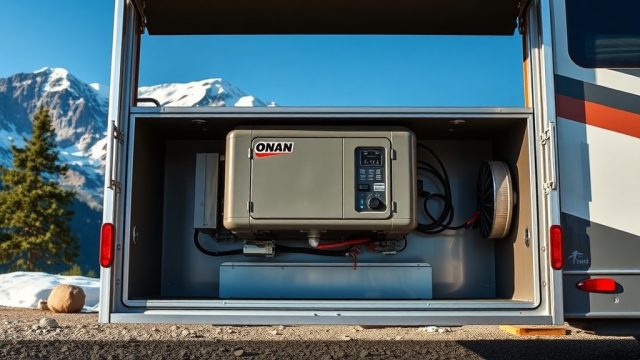
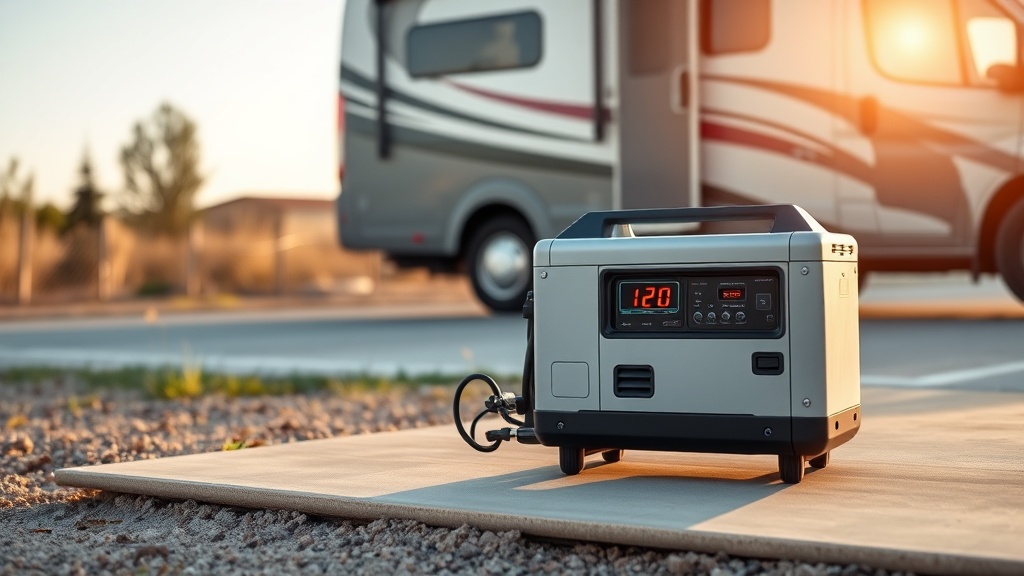
What Causes Voltage Drop in an RV Generator and Why Should I Care?
When your RV generator supplies power that drops below the standard 120V AC (or 240V for larger units), appliances like air conditioners, microwaves, and battery chargers can malfunction or sustain damage. A voltage drop exceeding 10%—below 108V—typically triggers automatic shutdowns in sensitive electronics. This issue often stems from undersized wiring, loose connections, a failing voltage regulator, or an overloaded circuit. Ignoring it risks costly repairs and inconvenient breakdowns during a trip.
Understanding the root cause is the first step. A drop might be steady (e.g., always low when running the AC) or intermittent (e.g., flickering lights when the fridge kicks on). In either case, systematic troubleshooting saves you time and money.
How Can I Diagnose an RV Generator Voltage Drop at Home?
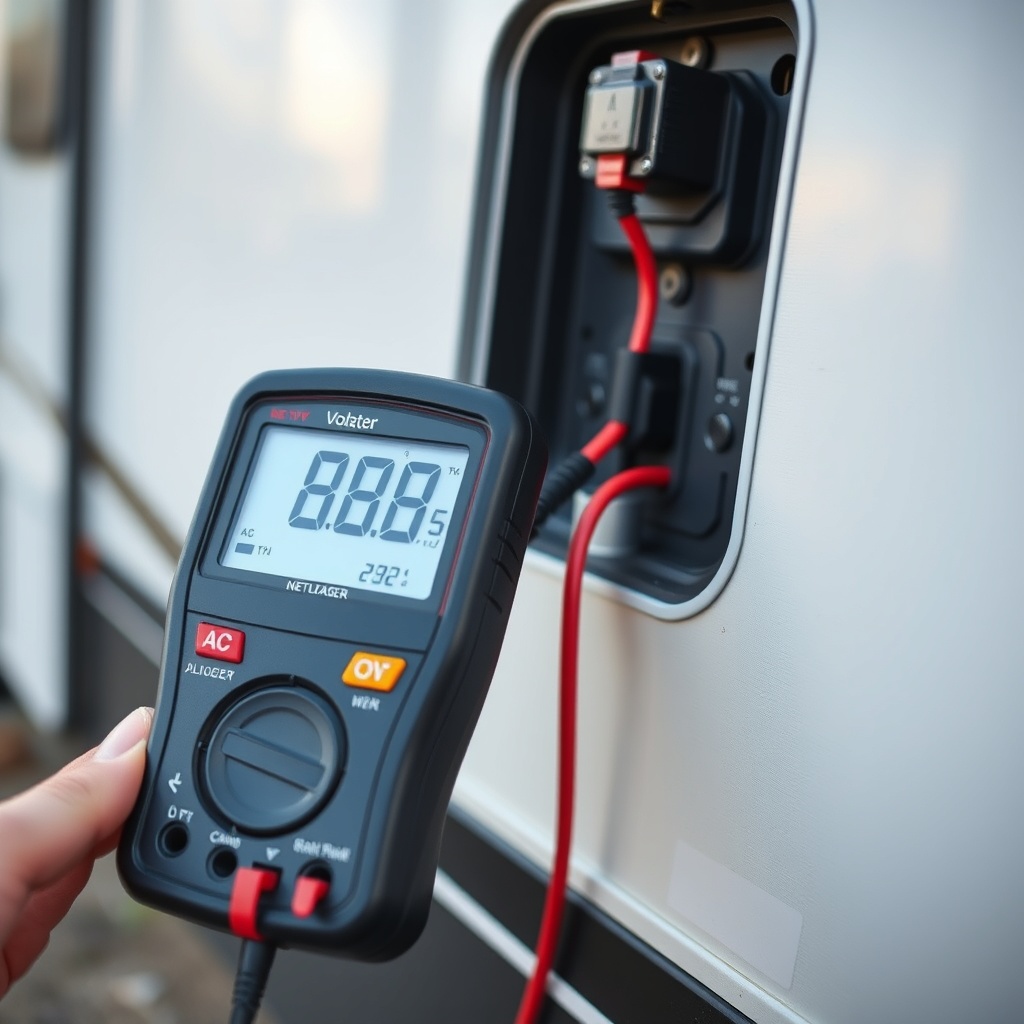
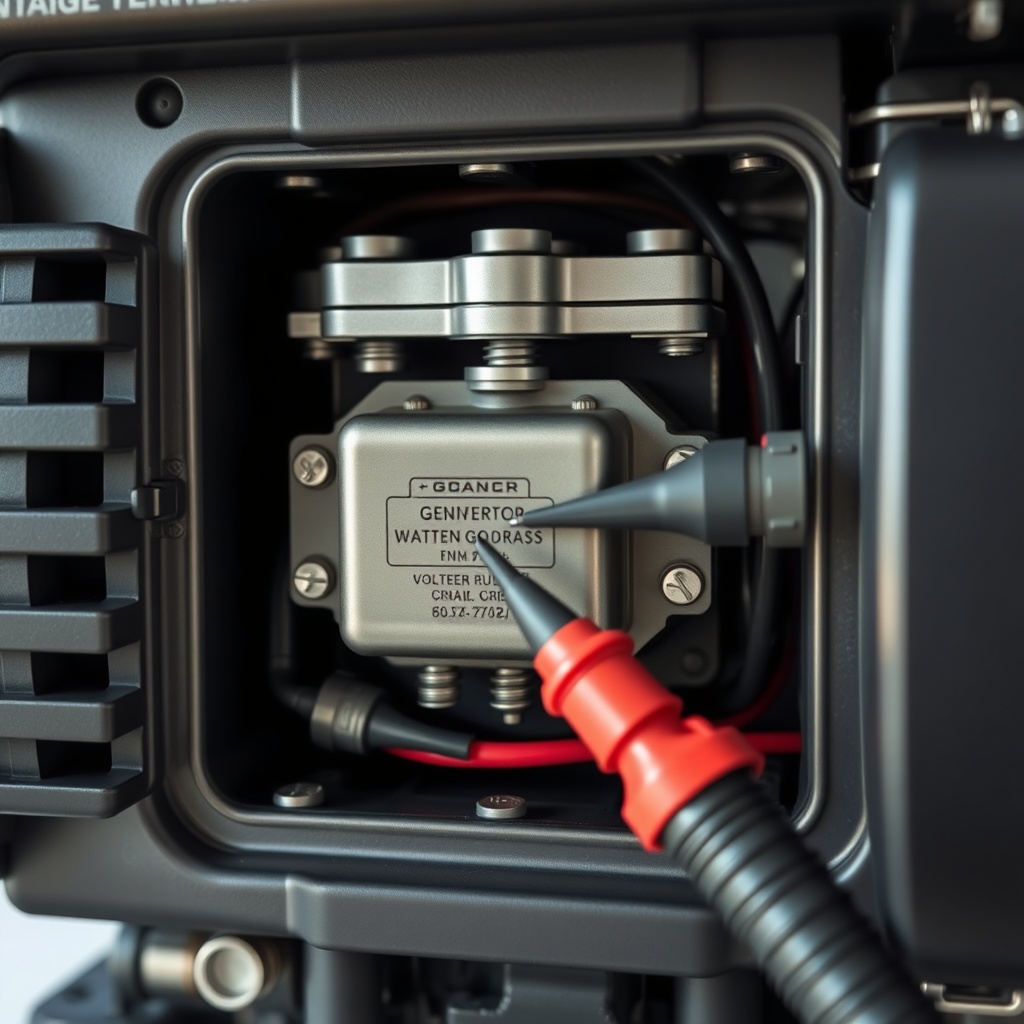
Before replacing any components, confirm the drop exists. Use a reliable digital multimeter set to AC voltage (V~). Start the generator and let it warm up for five minutes. Measure at a standard 120V outlet inside the RV while running a moderate load, such as one air conditioner unit (about 12-16 amps). Record the reading. Next, measure at the generator’s output terminals directly—this isolates wiring issues.
Here’s a rapid checklist:
- At generator terminals (no load): Should read 120-125V. If below 110V, suspect the voltage regulator or alternator.
- At generator terminals (under load, e.g., 15A): Should stay above 115V. A drop below 110V indicates regulator weakness or engine RPM drop.
- At RV outlet (under load): Compare to terminal reading. A difference of more than 2-3V means excessive resistance in the wiring or connections.
Common pitfalls: a loose neutral connection in the transfer switch can cause erratic voltage. Inspect all terminals for corrosion or heat discoloration. If you’re not comfortable working with live AC power, consult a qualified technician.
What Are the Most Common Causes of Voltage Drop in RV Generators?
Four culprits account for 90% of voltage drop issues. Each requires a different fix.
- Undersized or long shore power cables: A 50-amp cord rated for 30 amps creates resistance. Use the correct gauge (e.g., 6 AWG for 50A).
- Failing voltage regulator: This component stabilises output. A bad regulator causes low or fluctuating voltage. Replacement is straightforward—see our RV Generator Voltage Regulator Replacement: Step-by-Step Guide.
- Carbon brushes worn or stuck: On brush-type generators, worn brushes reduce excitation current. Inspect and replace if less than ¼ inch (6mm) long.
- Engine speed (RPM) too low: Most generators need 3600 RPM (60 Hz). A clogged carburettor or governor issue causes ‘lugging’ under load.
Less common: a shorted diode in the alternator or a faulty capacitor. Always test engine RPM first—it’s free and easy with a cheap frequency meter (set to Hz).
RV Generator Voltage Drop Severity Table
Use this table to gauge the severity of a voltage drop and the likely cause. Values assume a 120V system.
| Voltage Reading (Under Load) | Severity | Likely Cause | Recommended Action |
|---|---|---|---|
| 118-120V | Normal | None | No action needed |
| 110-117V | Minor drop | Light overload, warm connections, or long cable | Reduce load, check cable gauge and connections |
| 103-109V | Moderate drop | Undersized wiring, failing regulator, low RPM | Test regulator, adjust governor, inspect wiring |
| Under 103V | Critical drop | Severe regulator failure, bad brushes, or short | Stop use immediately; test components; replace as needed |
A reading below 103V risks permanent damage to your RV’s converter/charger and other electronics. Shut down the generator until the issue is resolved.
How Do I Fix an RV Generator Voltage Drop Without Professional Help?
Many fixes are DIY-friendly. Start with the simplest checks before ordering parts.
- Clean and tighten connections: Disconnect battery and generator. Use a wire brush to clean corroded terminals. Torque bolts to manufacturer specs.
- Adjust engine speed: Using a frequency meter, adjust the governor screw to achieve exactly 61-62 Hz (no load) and 58-59 Hz under full load. This often stabilises voltage.
- Replace the voltage regulator: This is the most common fix. After replacing, test output. Our RV Generator Voltage Regulator Replacement: Step-by-Step Guide covers the process for Onan and Generac models.
- Replace carbon brushes: On many generators (e.g., Onan 4000), brushes are accessible via a side cover. Replace them in pairs; they cost about £20-40 for a set.
- Check battery charger connections: A defective battery charger can draw excess current and cause voltage sag. See DIY RV Generator Battery Charger Setup: Step-by-Step Installation Guide for proper setup.
If the voltage drop occurs only when the air conditioner starts, your generator might be undersized. A ‘soft start’ kit for the AC unit can help, but sizing up the generator may be necessary.
What Do Owners Say About Solving Voltage Drop Problems?
Experienced RVers consistently emphasise three lessons. First, avoid guessing—measure voltage under load with a quality multimeter, not a cheap outlet tester. Second, the transfer switch inside the RV is a common failure point; its contacts can corrode and cause a 5-10V drop. Third, don’t overlook the ground connection: a poor ground at the generator frame can cause erratic readings.
Many owners report success after replacing the voltage regulator and performing an oil change simultaneously—old, thick oil can reduce RPM under load. Our RV Generator Oil Change: Step-by-Step Maintenance Guide explains the procedure. Another shared tip: run the generator with a 50-amp to 30-amp adapter if using a 30-amp RV—this avoids the bottleneck of a single 30A cord.
Finally, if you’re troubleshooting a silent inverter generator, the issue often lies with the inverter board rather than the voltage regulator. For quieter operation, check RV Generator Silent Operation Tips: How to Reduce Noise at Campgrounds. Owners also stress testing spark plugs (see RV Generator Spark Plug Replacement: Step-by-Step Maintenance Guide) as weak spark reduces engine efficiency and, indirectly, voltage output.
Frequently Asked Questions About RV Generator Voltage Drop
Q1: Can a bad battery cause my generator voltage to drop?
A: Yes, but indirectly. A deeply discharged or faulty battery forces the converter/charger to draw high current (e.g., 40+ amps) from the generator, causing temporary voltage sag. Ensure your battery is in good condition and fully charged before testing generator voltage.
Q2: My generator voltage is fine without load but drops when I turn on the AC. What’s wrong?
A: This indicates the generator cannot handle the inrush current of the AC compressor. Check engine RPM under load—it should stay above 58 Hz. If RPM is fine, consider a ‘soft start’ capacitor or a larger generator. Also verify the AC unit’s start capacitor is functional.
Q3: How do I test the voltage regulator on my RV generator?
A: With the generator running and under a moderate load (e.g., 10-15 amps), measure AC voltage at the output terminals. If voltage is unstable (fluctuates more than 2-3V) or below 110V, and engine RPM is correct (60 Hz unloaded), the voltage regulator is likely faulty. Use a multimeter to check for DC excitation voltage—typically 12-24V at the regulator’s field wire.
Q4: Can I use a longer extension cord if my generator is far from the RV?
A: Yes, but only with proper gauge wire to avoid voltage drop. For a 50-foot run at 30 amps, use at least 10 AWG cord; for 50 amps, 8 AWG. Every 10 feet of undersized cord can drop voltage by 1-2V. Keep connections clean and dry.
Q5: My generator voltage drops after 30 minutes of running. Why?
A: This suggests thermal failure of a component, such as a voltage regulator or diode trio. As components heat up, internal resistance increases, causing output to sag. Let the generator cool, then test immediately at startup and again after 20 minutes. Replace any component that shows a significant voltage drop when hot.
Q6: Do I need to replace the generator if the voltage drop is severe?
A: Not necessarily. Most severe drops are caused by replaceable parts: voltage regulator (£30-£100), brushes (£15-£40), or a capacitor (£10-£30). Only consider replacement if the alternator windings are shorted or the engine is worn beyond repair. Always diagnose fully first—a new regulator can fix an old generator.