How Does the Dometic DM2672’s Design Affect Energy Consumption?
The Dometic DM2672 is a popular three-way refrigerator (AC, DC, and LP gas) found in many RVs, praised for its spacious 6.7 cubic foot capacity. However, its energy draw can strain your batteries or propane supply if not managed properly. Understanding how this unit operates is the first step toward saving power while camping.
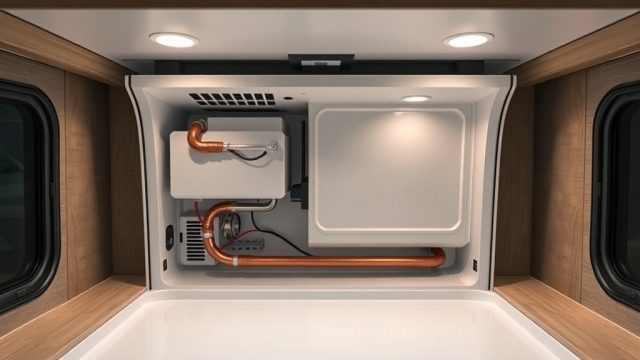
The DM2672 uses an absorption cooling system, which relies on heat to drive the cooling process. This design is inherently less efficient than compressor-based refrigerators, often consuming between 120-150 amp-hours per day on 12V DC mode. On propane, it uses about 1.3 pounds of LP gas per day. While these figures are typical for RV absorption fridges, strategic adjustments can significantly reduce consumption without compromising food safety.
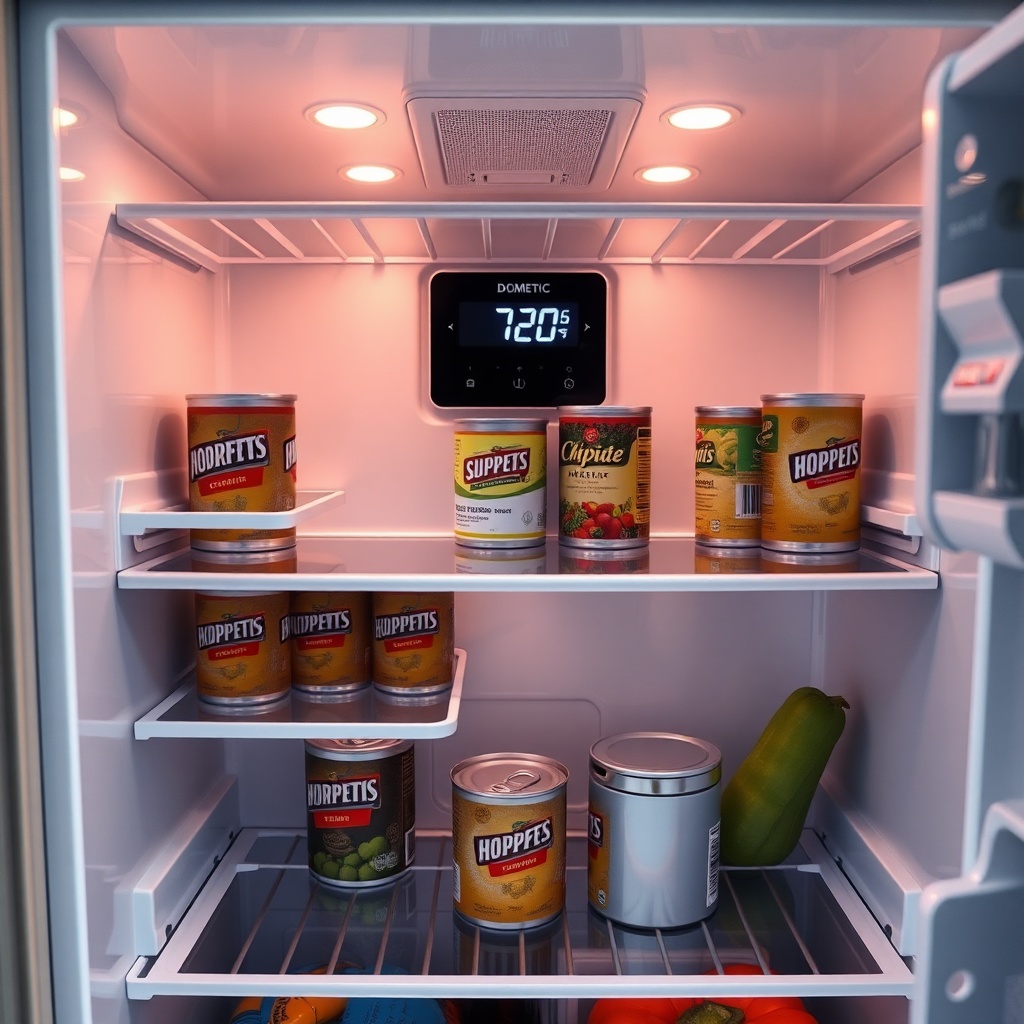
What Is the Optimal Temperature Setting for the Dometic DM2672?
Setting your DM2672 to the coldest setting is a common mistake that wastes power. The ideal temperature for both food preservation and energy efficiency is between 37°F and 40°F (3°C to 4°C) for the fresh food compartment, with the freezer at 0°F (-18°C).
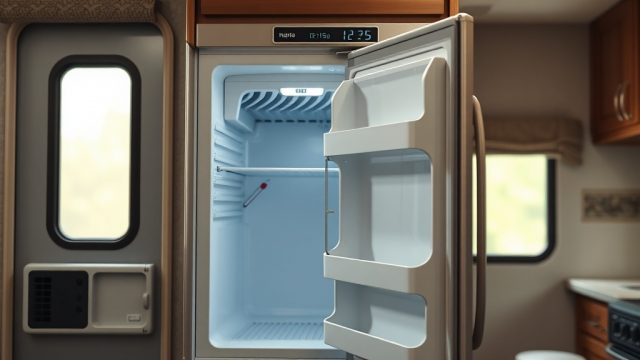
The DM2672’s thermostat has numbered settings from 1 (warmest) to 5 (coldest). For most camping conditions, setting it to 3 offers the best balance. If ambient temperatures exceed 90°F (32°C), moving to 4 helps maintain cooling. Running the fridge on setting 5 continuously forces the cooling unit to work harder, drawing more battery power or propane without proportional benefit. Use a separate fridge thermometer to verify actual temperature, as the built-in gauge can be inaccurate.
Related reading: Dometic DM2672 Temperature Fluctuations: Causes and Fixes helps you troubleshoot if your unit isn’t holding steady temps.
| Setting | Fresh Food Temp Range (°F) | Freezer Temp Range (°F) | Typical Daily Energy Use (12V DC) | Ideal When? |
|---|---|---|---|---|
| 2 | 42-46 | 5-10 | 100-120 Ah | Cool weather (below 70°F) |
| 3 | 37-40 | 0-5 | 120-130 Ah | Average camping (70-85°F) |
| 4 | 34-37 | -5-0 | 140-150 Ah | Hot weather (85-95°F) |
| 5 | 30-34 | -10–5 | 160+ Ah | Extreme heat (95°F+) or freezing ice cream |
How Often Should I Clean the Dometic DM2672’s Condenser Coils?
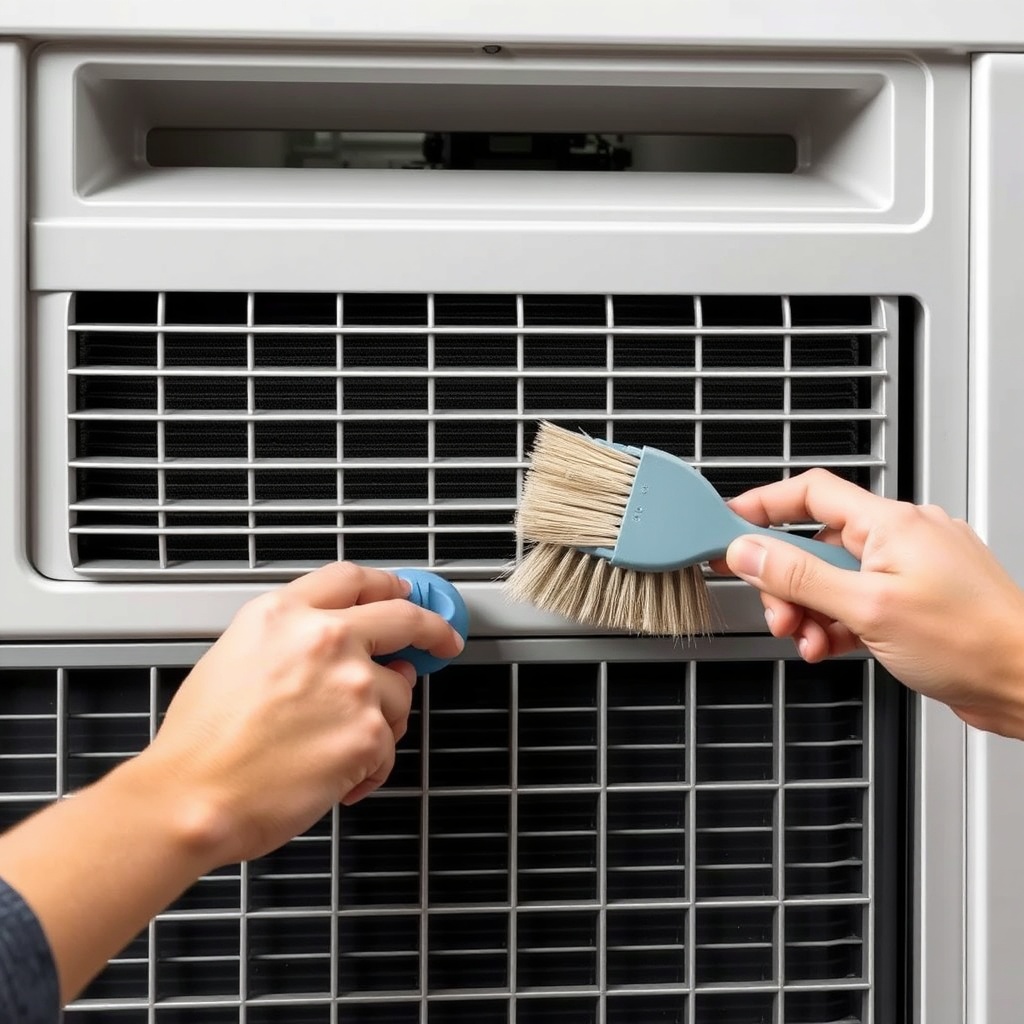
Dust and debris on the condenser coils force the cooling unit to work harder, increasing power consumption. For the DM2672, located behind the lower exterior vent, coils should be cleaned every three months of full-time use or after 1,000 miles of travel, whichever comes first.
To clean, turn off the fridge and disconnect power. Remove the lower exterior vent panel (usually held by screws or clips). Use a soft brush or compressed air can to gently remove dust from the fins and tubing. Avoid bending the delicate fins. Vacuum the area with a brush attachment. Reinstall the panel. Studies show this simple maintenance can reduce energy draw by 10-15%, meaning you could save roughly 12-18 Ah per day on battery power, or extend a standard 20 lb propane tank by an extra two days.
What Does Using the Right Energy Source Save on the DM2672?
The DM2672 operates on three power modes: 120V AC (shore power), 12V DC (battery), and LP gas. Each has different efficiency profiles. Shore power is the most efficient when available, using about 2.5-3.5 amps at 120V. In contrast, 12V DC operation is the least efficient, consuming large amounts of battery.
For boondocking, LP gas mode is more efficient than battery, consuming around 1.3 lbs of propane per day compared to 120-150 Ah daily from a battery bank. A typical battery bank of 100 Ah usable capacity (e.g., a 200 Ah lead-acid battery at 50% discharge) would be drained in under 24 hours on DC. Switching to propane when off-grid can extend your battery life for lights and other electronics. Always switch to shore power when plugged in at campsites to reserve propane for other uses. For more overall RV power management, see How to Maintain Your RV Air Conditioner for complementary tips on reducing overall electrical load.
How Does Ambient Temperature Control Affect the DM2672’s Power Draw?
The DM2672 is designed to operate in ambient temperatures up to 100°F (38°C), but its efficiency drops sharply above 90°F. Direct sunlight hitting the fridge’s exterior or the RV’s side wall can increase internal cooling demand by 20-30%.
Park your RV so the fridge side is shaded, especially between 10 AM and 4 PM. Use a reflective cover on the exterior vent during storage (remove when running). Inside the RV, ensure air can circulate around the fridge: avoid stacking items against the lower or upper vents. Adding a small, low-power DC fan inside the cabinet behind the fridge (drawing about 0.5-1 amp) can improve airflow over the cooling unit, reducing running time by 15-20%. A simple 12V computer fan costs under £10 and pays for itself in energy savings within a season.
What Pre-Cooling and Loading Tricks Save the Most Energy?
Every time you open the DM2672 door, cold air spills out, and the fridge must work harder to re-cool. Pre-cooling food before loading is a major energy saver. Place items that are room temperature in the fridge separately—they take hours to cool and force the absorption unit to run longer.
Group items together; a full fridge retains cold better than an empty one. Use containers or water bottles as thermal mass if storage is light. Never over-pack to the point of blocking the interior vents. Pre-chill your fridge at home on mains power for 24 hours before travel. This reduces the initial load when you connect to battery or propane at the campsite. For boondocking, freeze 2-3 water jugs (half-gallon each) and put them in the freezer compartment; they act as cold sinks, reducing the cycle frequency by up to 25%.
What Owners Say About the Dometic DM2672’s Efficiency
Real-world user feedback consistently highlights the DM2672’s solid performance but notes that efficiency heavily depends on user habits. Many long-time RVers report that with careful temperature management (setting to 3 or 4), they can stretch a 20 lb propane tank to 14-16 days while running exclusively on gas. Others mention that using a small fan behind the fridge, as described above, cut their battery drain on DC mode by nearly one-third.
Common praise includes the spacious interior and reliable cooling in moderate climates. Complaints often cite the high battery consumption on 12V and sensitivity to hot weather. One owner in Arizona noted their energy bill on shore power rose £8-10 per month during summer because the fridge ran constantly until they added external ventilation. Overall, owners agree that proactive management—like shade placement and regular coil cleaning—turns this fridge from a power hog into a manageable unit.
Frequently Asked Questions
1. Can I run the Dometic DM2672 on solar power efficiently?
Yes, but only if you have a sufficient solar array. The fridge on 12V DC can consume 120-150 Ah daily. A typical 200W solar panel system in sunny conditions generates about 40-60 Ah per day, so you would need at least 400W of solar panels and a battery bank of 200+ Ah to run the fridge and other essentials.
2. How much propane does the DM2672 use per day?
On LP gas mode, the Dometic DM2672 uses approximately 1.3 to 1.5 pounds of propane per day under normal operation (ambient 70-80°F). A standard 20 lb tank runs about 13-15 days. In hot weather, consumption may increase to 2 pounds per day.
3. Does adding a vent fan void the DM2672 warranty?
Adding a small DC fan inside the cabinet for airflow generally does not void the warranty, as it does not modify the cooling unit. However, any direct modification to the fridge’s electrical or cooling system will void it. Always consult your owner’s manual or a professional installer first.
4. Why does my DM2672 freeze food on setting 4?
Setting 4 on the DM2672’s thermostat yields temperatures around 34-37°F in the fresh food compartment. Freezing may occur if the fridge is overfilled, blocking cold air circulation, or if the ambient temperature is low (below 70°F). Reduce to setting 3 or check if the interior vents are obstructed.
5. How long can I leave the DM2672 turned off without damage?
You can leave the DM2672 off for up to a few weeks without issues, provided you clean, dry, and leave the doors slightly ajar to prevent mold. For long-term storage (over a month), it’s best to winterize the cooling system by removing food and cleaning with a mild baking soda solution.
6. Is it safe to run the DM2672 while driving on propane?
Yes, but with caution. The DM2672 is designed for propane operation while in motion, as it has a safety shut-off if the flame goes out. However, many RVers switch to 12V DC during transit as a precaution, especially when refueling or in tunnels where propane is banned. Always follow your local regulations.