What Is the Norcold N8X Series Absorber Tube Leak?
The Norcold N8X Series is a popular absorption refrigerator found in many RVs, known for its quiet operation and reliable cooling on LP gas or electric. However, one of the most common and serious issues owners face is an absorber tube leak. This occurs when the steel tubing that carries the ammonia-based coolant mixture develops a pinhole or crack, often due to corrosion or thermal stress. The result is a loss of cooling performance and, in some cases, a hazardous ammonia smell inside the RV.
Recognizing the signs early can save you from costly repairs or unsafe conditions. Let’s walk through the diagnosis and repair process, including when to replace the entire unit versus attempting a fix. For context on related cooling components, check out our guide on Norcold N8X Series Condenser Fan Replacement: Step-by-Step Guide, as a failing fan can accelerate absorber tube damage.
How Can I Diagnose an Absorber Tube Leak on My Norcold N8X?
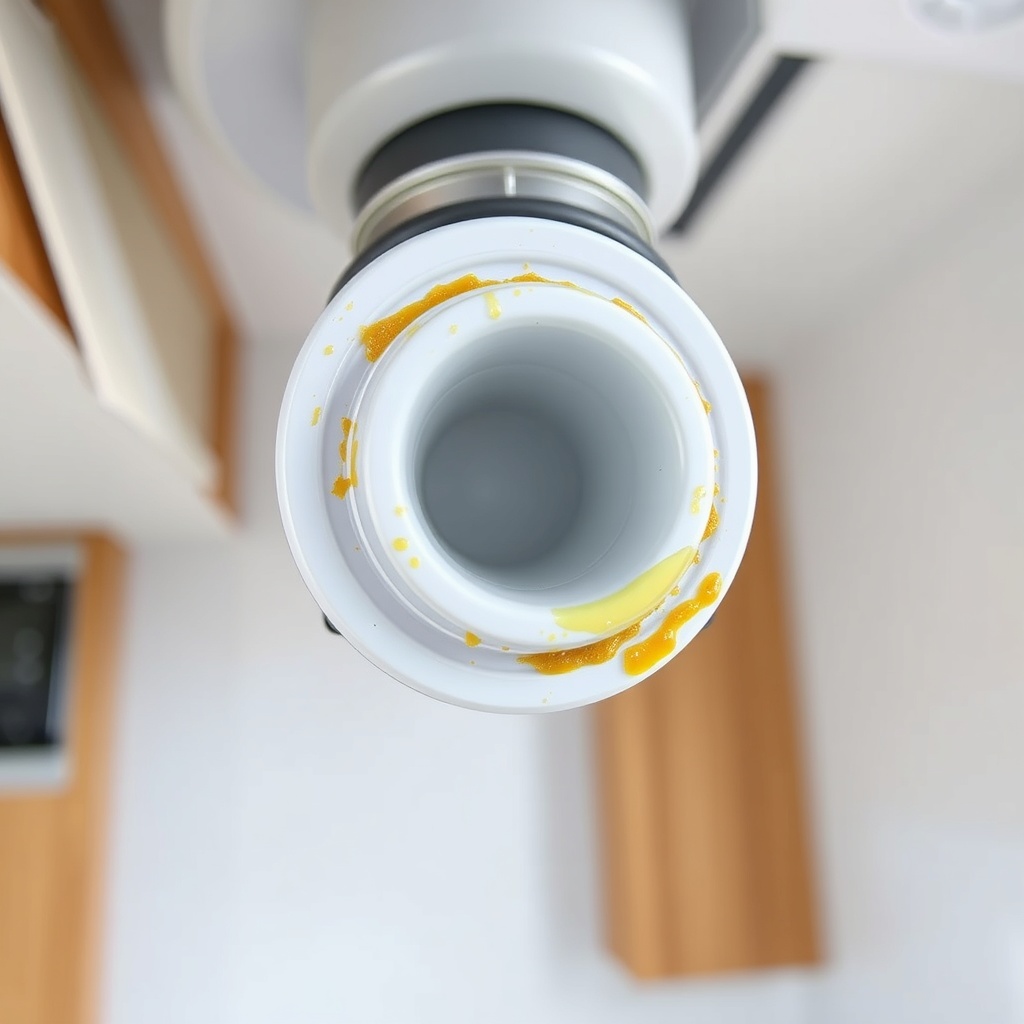
Diagnosing a leak starts with visual and olfactory cues. If you notice a strong ammonia odor (like cat urine) near the refrigerator’s back vents or inside the RV, that’s a primary indicator. Other symptoms include the fridge not cooling adequately on either LP gas or electric, despite proper power supply. You may also find a yellowish-brown residue or powdery stain on the absorber tubes or around the boiler area.
To confirm: Turn the fridge off and allow it to cool completely. Use a flashlight to inspect the steel tubing, especially at the bends where the absorber tube connects to the boiler and the condenser. Corrosion is common near the flue pipe due to moisture from combustion on LP gas. A leak detection fluid (soapy water) applied to suspected areas won’t show bubbles under pressure, as these are low-pressure systems; instead, the ammonia smell is your best clue.
If you suspect a leak but smell is absent, check for cooling performance issues. Use an infrared thermometer to measure the evaporator fins inside the freezer—they should be at least -10°C (14°F) when running. If they’re warm or only slightly cool, a leak is likely. Never ignore the smell, as ammonia can be harmful in enclosed spaces.
What Are the Risks of Driving with a Leaking Absorber Tube?
Driving with a leaking absorber tube is not recommended. The ammonia solution is corrosive and can damage surrounding components, including wiring harnesses, insulation, and the fridge’s frame. More critically, ammonia exposure can cause respiratory irritation, headaches, or nausea for occupants, especially in a closed RV cabin. On LP gas mode, the leak may also lead to incomplete combustion, increasing carbon monoxide risk.
If you detect a leak while on the road, shut off the refrigerator immediately. Turn off the LP gas supply at the tank if you were running on gas. Ventilate the RV by opening windows and roof vents. Do not attempt to operate the fridge until the leak is repaired. If the leak is severe and the smell strong, evacuate the vehicle and contact a service center. For safety, always disable the propane system until the unit is professionally inspected.
Additionally, a leaking tube can stress the condenser fan or control board, as the system tries to compensate. For more on related repairs, see Norcold N8X Series Control Board Replacement: Step-by-Step Guide, as a board failure can mimic leak symptoms.
Can I Repair the Absorber Tube Myself or Should I Replace the Unit?
Repairing an absorber tube leak is rarely a DIY job for the average RV owner. The tubes are made of steel and are brazed or welded during manufacturing. Simple soldering won’t hold due to high operating temperatures (up to 200°C or 392°F inside the boiler). Professional repair services exist, but they typically require removing the entire cooling unit, draining it, re-welding the tube, then recharging the ammonia mixture under vacuum—a process that costs £400–£700 (€460–€800 or $500–$900 USD) in the UK or EU, often more than a new Norcold N8X cooling unit (£500–£900).
Given the age of many N8X units (often 5–15 years), experts recommend replacing the entire absorption cooling unit rather than repairing a leak. New cooling units come pre-charged with refrigerant and include updated welding that resists corrosion. A DIY replacement requires mechanical skills, including removing the fridge from the RV cabinet, swapping the unit, and reconnecting gas lines and electrical. For most, it’s a 4–6 hour job. Alternatively, professional installation costs £200–£400 in labour.
Before committing, verify if your fridge is under a recall—Norcold issued recalls for some early N8X models due to fire risks from tube leaks. Check your serial number on the Norcold website. If under recall, the unit may be replaced free of charge.
Below is a comparison table to help you decide:
| Option | Approx. Cost (UK £) | Skill Level | Time Required | Longevity |
|---|---|---|---|---|
| Professional tube repair | £400–£700 | Expert only | 2–4 days (shop) | 1–3 years (if not repeated) |
| DIY cooling unit replacement | £500–£900 (unit cost) | Advanced | 4–6 hours | 5–10 years |
| Professional unit replacement | £700–£1,300 | None (hire) | 2–4 hours (shop) | 5–10 years |
| Replace entire fridge | £1,000–£2,500 | Moderate | 2–3 hours | 10–15 years |
Costs are estimates and vary by region. In the UK, VAT may apply, while in the EU prices are similar in euros.
How Do I Drain and Replace the Norcold N8X Cooling Unit?
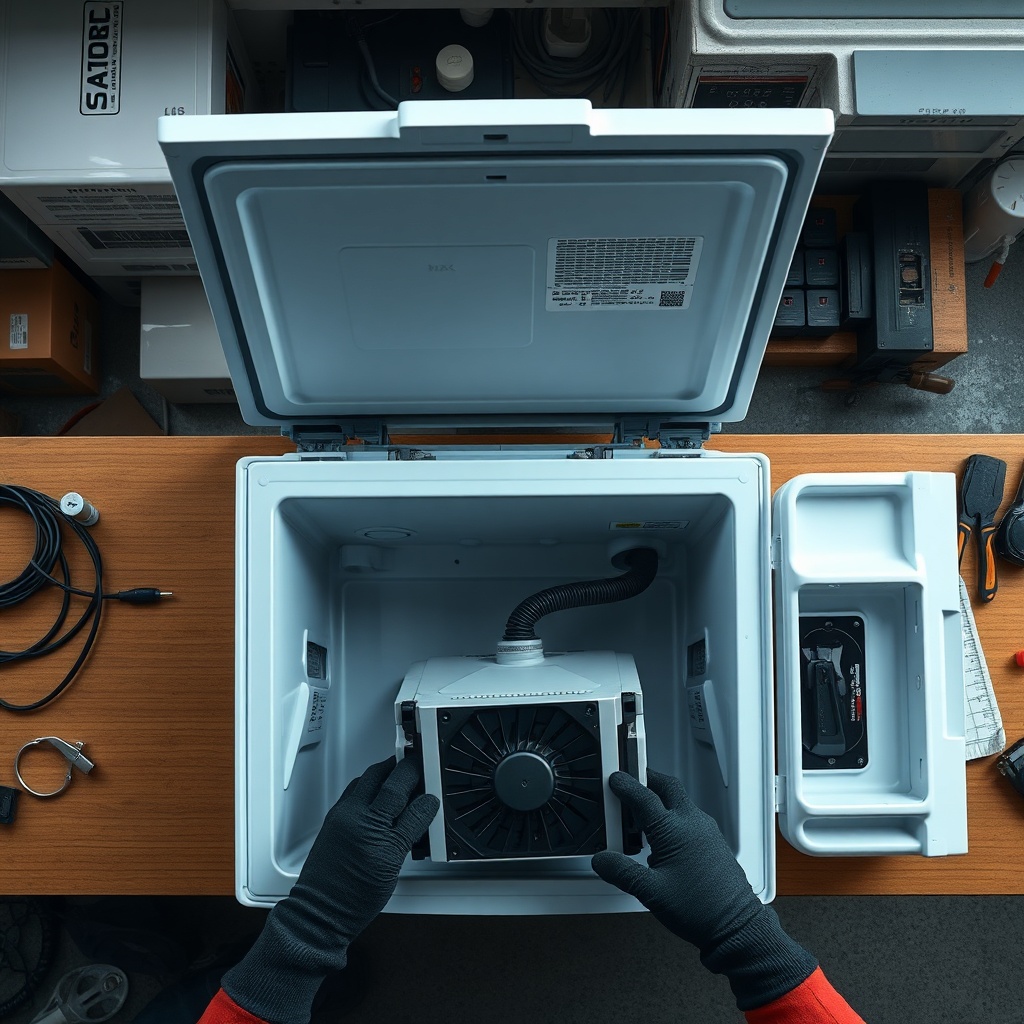
If you choose replacement, start by disconnecting the fridge from all power sources (120V AC and 12V DC) and shutting off the LP gas at the tank. Remove the fridge from the RV cabinet by unscrewing the mounting brackets and sliding it out carefully—enlist a helper as the unit weighs around 40–50 kg (88–110 lbs). Place it on a workbench with the back panel facing up.
Remove the back panel and the old cooling unit. First, detach the LP gas burner assembly (if equipped) by disconnecting the gas line and thermocouple. Disconnect the electrical harness from the control board. The cooling unit is held in place by four bolts or brackets at the corners. Lift the old unit out, taking care not to spill any remaining ammonia solution—though most will have leaked out if there was a pinhole. Dispose of the old unit according to local hazardous waste regulations.
Install the new cooling unit in reverse order: position it in the fridge frame, secure with bolts, reattach the gas burner and electrical connections, and reconnect the propane line. Check for gas leaks with a soapy solution on the fittings. Finally, power on the fridge and test on both LP gas and electric. It may take 8–12 hours to reach full temperature after initial startup. For a detailed walkthrough, see Norcold N8X Series Absorber Tube Replacement: Step-by-Step Guide.
What Can I Do to Prevent Future Absorber Tube Leaks?
Prevention is the best cure for absorber tube leaks. The main cause is corrosion from moisture and acidic exhaust gases during LP gas operation. To minimize risk: ensure proper ventilation around the fridge’s back area—never block the roof vent or side louvers. Keep the condenser coils clean and free of dust and debris, as a dirty fan or coils force the system to overheat. Inspect the flue area annually for rust and clean it with a wire brush.
Another critical factor is level operation. Absorption refrigerators need to be within 3° of level when running on LP gas to allow the ammonia solution to circulate properly. Running tilted causes weak spots in the thermal siphon, leading to tube fatigue. Use a bubble level on the floor of the fridge compartment when parked. Do not use the fridge on gas while driving, as vibration and tilting accelerate wear. On electric mode, a power stabilizer or surge protector helps prevent control board surges that can alter heating cycles.
Finally, replace the condenser fan if it’s noisy or slow, as that promotes overheating. Our guide on Norcold N8X Series Condenser Fan Replacement: Step-by-Step Guide covers this in depth. Also, consider using an LP gas pressure check annually to ensure burner efficiency—see Norcold N8X Series LP Gas Pressure Check: How to Ensure Safe Operation for steps.
What Do Owners Say About Norcold N8X Absorber Tube Leaks?
Owner experiences on RV forums like Outdoorsy and iRV2 highlight leaking absorber tubes as the most common issue after 5–8 years of use. Many report the ammonia smell first appearing during hot weather or after long trips. “We woke up to a sharp smell in the camper—turned out the boiler tube had a pinhole. Replaced the entire cooling unit myself for £600. Took a weekend,” said one UK caravaner. Another owner noted that ignoring the smell led to a £1,200 replacement of the whole fridge plus cabinet damage.
Positive feedback often comes from those who proactively installed a cooling unit protector (a small fan booster kit) and ran the fridge level. “I added a second condenser fan after my first leak at year 7. No issues in the next 4 years,” shared a US-based RV owner. Negatives usually involve frustration with Norcold’s customer support on older models, though some recall replacements were handled smoothly. Overall, owners recommend replacing the cooling unit rather than repairing the tube, citing better reliability and improved cooling efficiency.
Frequently Asked Questions
1. Is it safe to run my Norcold N8X if I smell ammonia?
No. Shut off the refrigerator immediately and ventilate the RV. Ammonia can cause respiratory irritation and indicates a refrigerant leak. Do not operate until the unit is serviced.
2. How long does a Norcold N8X cooling unit typically last?
With proper care, 5–10 years on average. Leaks often develop at 6–8 years due to tube corrosion, especially if the fridge is used frequently on LP gas in humid climates.
3. Can I use JB Weld or epoxy to patch a pinhole in the absorber tube?
No. The operating temperature of the boiler (up to 200°C/392°F) exceeds the tolerance of epoxies. Only welding or professional brazing is acceptable, and even then, replacement is more reliable.
4. How much does it cost to replace a Norcold N8X cooling unit in the UK?
The cooling unit alone costs £500–£900. Including professional installation, expect £700–£1,300. DIY saves the labour fee but requires mechanical skills.
5. Will a leaking absorber tube affect the fridge’s electric mode?
Yes. The same ammonia circuit serves both LP gas and electric modes. A leak will reduce cooling efficiency on both, though electric mode may appear slightly less affected due to lower heat input.
6. Can I replace just the absorber tube without draining the system?
No. The entire cooling unit must be removed, drained, and the tube welded, then recharged. This complex process is rarely cost-effective versus a new cooling unit.