Introduction
For RV owners, a reliable generator is essential for powering appliances and electronics while off-grid. One often-overlooked maintenance task that can prevent frustrating breakdowns is spark plug replacement. This guide walks you through the complete step-by-step process for replacing spark plugs on your RV generator, ensuring consistent performance and extended lifespan.
Why Should You Replace Spark Plugs on Your RV Generator?
Spark plugs are critical components in gasoline generators, responsible for igniting the fuel-air mixture. Over time, they become fouled with carbon deposits, wear down electrodes, or develop cracks in the insulator. Ignoring this routine maintenance can lead to hard starting, rough idling, reduced power output, and increased fuel consumption. Replacing spark plugs every 100-200 hours of operation is a cheap, preventative measure that keeps your generator running smoothly.
What Tools and Parts Do You Need for Spark Plug Replacement?
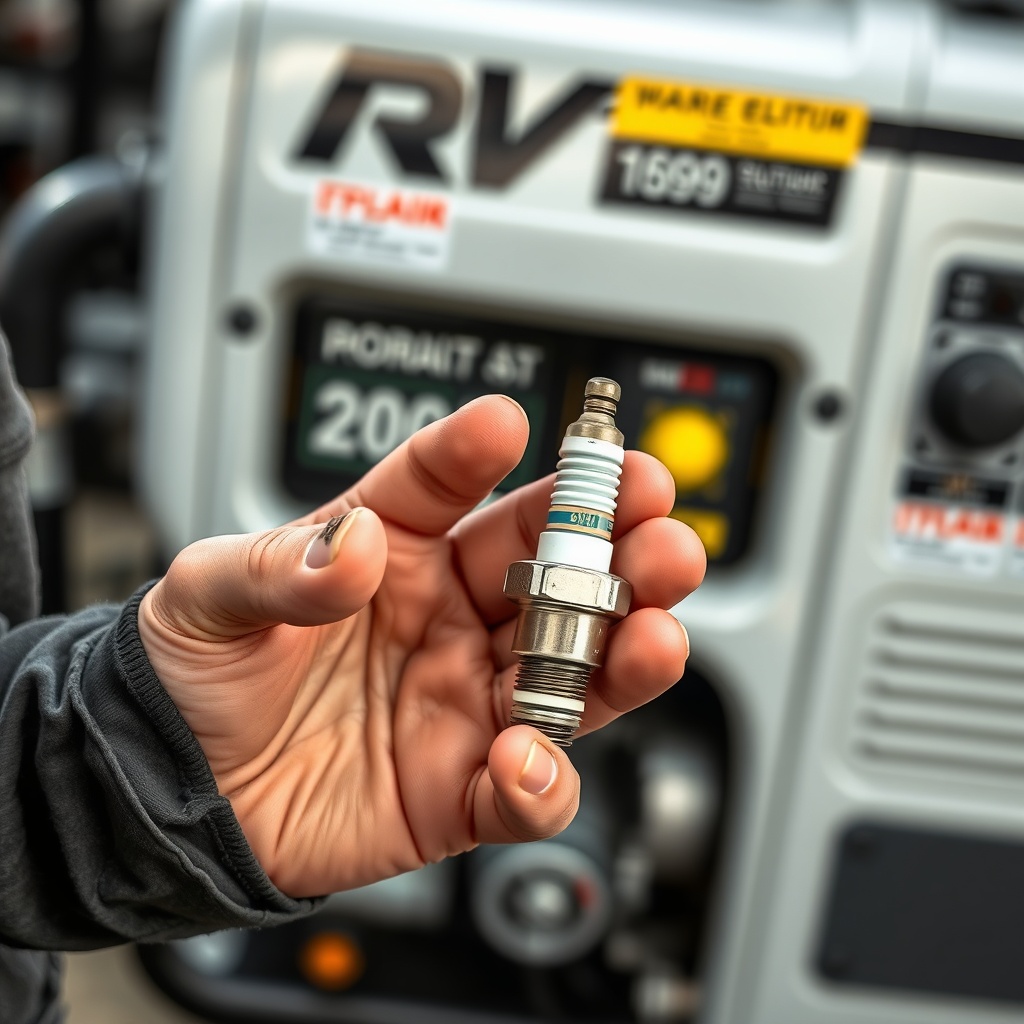
Before starting, gather the correct tools and replacement parts. Using the wrong spark plug can damage your generator, so always consult your owner’s manual or generator model specifications. Here’s what you’ll typically need:
- New spark plugs (e.g., NGK BPR6ES or equivalent for most Onan and Honda generators)
- Spark plug socket (usually 13/16 inch or 5/8 inch)
- Torque wrench (recommended to avoid over-tightening)
- Dielectric grease (for spark plug boots)
- Anti-seize compound (for threads, if not pre-coated)
- Feeler gauge (to check the gap)
- Socket extension and ratchet
- Safety gloves and glasses
- Compressed air or a brush (to clean debris around spark plug holes)
The total cost of parts and tools is typically £15–£40 (or $18–$50 USD), depending on the brand and quantity of plugs. A single spark plug costs about £3–£8 each.
What Are the Step-by-Step Instructions for Replacing RV Generator Spark Plugs?
Follow this procedure carefully. Always ensure the generator is off, cool, and disconnected from any power source or battery. Work in a well-ventilated area.
- Safety first: Turn off the generator, let it cool for 30 minutes, and disconnect the negative battery terminal if applicable.
- Locate spark plugs: Remove the generator’s side cover or access panel. On single-cylinder generators, you’ll find one plug; on twin-cylinder models, two plugs near the top of the engine.
- Clean around the plugs: Use compressed air or a brush to remove dust and debris from the area around each spark plug. This prevents foreign particles from falling into the cylinder when you remove the plug.
- Remove spark plug wires: Gently twist and pull the boot—never yank the wire itself. Use dielectric grease on the boot if it’s stuck.
- Unscrew old plugs: Use the spark plug socket and ratchet to turn counterclockwise. If they’re stubborn, apply penetrating oil and wait 5 minutes.
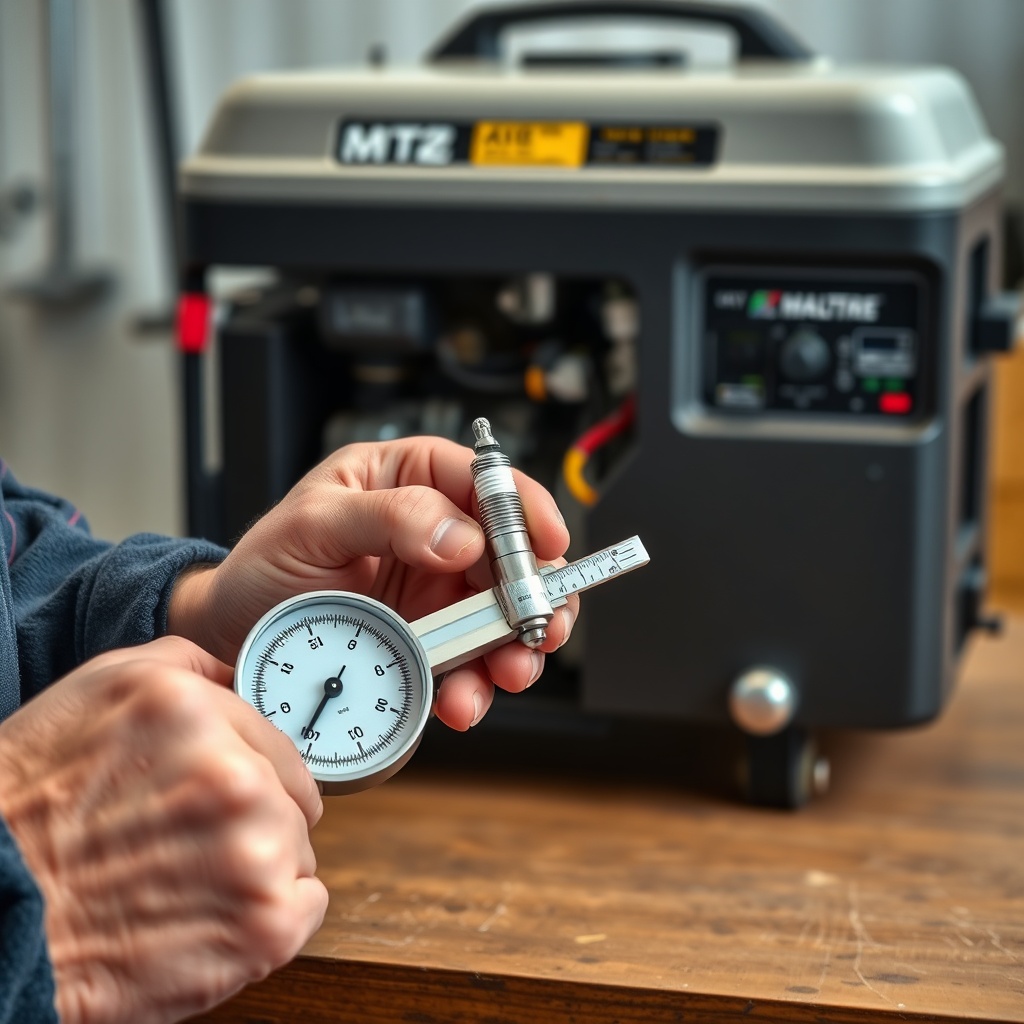
- Gap new plugs: Check the manufacturer’s specification (typically 0.028–0.030 inches for most RV generators). Use a feeler gauge to adjust the gap by bending the ground electrode gently. Never pry against the center electrode.
- Apply anti-seize: Put a tiny drop of anti-seize on the threads (unless the plug is pre-coated). Avoid getting it on the electrodes.
- Install new plugs: Hand-tighten first, then use the torque wrench to tighten to the manufacturer’s specification (usually 18–25 lb-ft for most Onan generators). Do not overtighten.
- Reattach spark plug wires: Push the boot firmly onto the plug until you hear a click. Apply dielectric grease inside the boot for moisture protection.
- Reassemble and test: Replace the access panel, reconnect the battery, start the generator, and let it run for 5–10 minutes. Check for smooth idle and no unusual sounds.
What Are Common Spark Plug Problems and How Do You Diagnose Them?
Spark plugs can reveal underlying engine issues. Examine the old plugs after removal. Here’s a quick diagnostic table based on visual signs:
| Spark Plug Condition | Possible Cause | Severity Level | Recommended Action |
|---|---|---|---|
| White/gray insulator, blistered electrode | Lean fuel mixture or overheating | High | Check carburetor settings and air filter; replace plug |
| Black, dry soot | Rich fuel mixture or clogged air filter | Moderate | Clean or replace air filter; adjust carburetor |
| Oily, wet deposits | Worn piston rings or valve seals | High | Compression test; replace piston rings or seals |
| Normal wear (light tan/gray) | Normal operation | Low | Replace per schedule |
If you encounter recurring fouling, consider upgrading to iridium plugs for longer life and better ignitability. Also, check your RV Generator Fuel Efficiency: Diesel vs Gasoline Comparison to see if fuel type affects spark plug longevity.
How Often Should You Replace Spark Plugs and How to Extend Their Life?
Most RV generator manufacturers recommend replacing spark plugs every 100–200 operating hours or annually, whichever comes first. For heavy users (e.g., full-time RVers), every 100 hours is a safe interval. To extend plug life:
- Use high-quality fuel and stabilizer to reduce carbon buildup.
- Run the generator under a load for 30 minutes monthly to burn off deposits.
- Keep the air filter clean to prevent rich mixtures.
- Maintain proper engine oil levels—low oil can cause overheating.
- Store the generator covered to avoid moisture ingress into spark plug wells.
Adding a DIY RV Generator Battery Charger Setup: Step-by-Step Installation Guide can also reduce generator runtime for battery charging, potentially lowering spark plug replacement frequency.
What Do Owners Say About Spark Plug Replacement?
Experienced RV owners consistently emphasize the importance of using the exact spark plug model specified in the manual. Many report that after replacing old spark plugs, their generator starts instantly and runs quieter. One owner noted: “My Onan 4000 would struggle to start in cold weather. After switching to iridium plugs, it fires up on the first pull.” Another common tip is to always carry a spare spark plug set in the RV toolkit—if a plug fails on the road, a quick swap saves the trip. A few owners caution against overtightening, which can strip threads in the aluminum cylinder head. They recommend a torque wrench as a wise investment.
For noise reduction after a spark plug change, check out RV Generator Silent Operation Tips: How to Reduce Noise at Campgrounds for additional quiet-running strategies.
Frequently Asked Questions
1. Can I use automotive spark plugs in my RV generator?
No, always use the spark plug type specified by the generator manufacturer. Automotive plugs may have different heat ranges or thread lengths, causing misfiring or engine damage.
2. How tight should I tighten spark plugs?
Torque to manufacturer specifications, typically 18–25 lb-ft for small generators. Hand-tighten plus a quarter turn with a wrench if a torque wrench is unavailable, but this is less precise.
3. What happens if I don’t gap the spark plugs correctly?
An incorrect gap can cause hard starting, misfires, rough idling, and increased fuel consumption. Always gap new plugs to the recommended gap before installation.
4. Can spark plug problems cause generator load surging?
Yes, worn or fouled spark plugs can cause intermittent misfires under load, leading to surging or power fluctuations. Replacing them often resolves this issue.
5. Is it safe to replace spark plugs on a propane generator?
Yes, but use spark plugs rated for propane fuel, which typically have a colder heat range. Propane burns hotter and requires different ignition characteristics.
6. How do I find the correct spark plug for my generator?
Check the owner’s manual for the part number, or remove the old plug and search for its code (e.g., “BPR6ES”). You can also enter your generator model on NGK’s or Champion’s website for a cross-reference.
For a comprehensive maintenance schedule, refer to the RV Generator Maintenance Checklist: Keep Your Power On the Road guide.