Why Is My RV Generator Frequency Unstable at Steady Load?
Frequency stability is a critical metric for RV generators. When the RPM of the engine alternates erratically under a constant electrical load, the output sine wave frequency deviates from the nominal 50 Hz or 60 Hz (depending on your region). This instability often manifests as flickering lights, erratic appliance operation, and potential damage to sensitive electronics like inverter-based air conditioners or battery chargers. For UK and European readers, your target is typically 50 Hz ± 0.5 Hz under load.
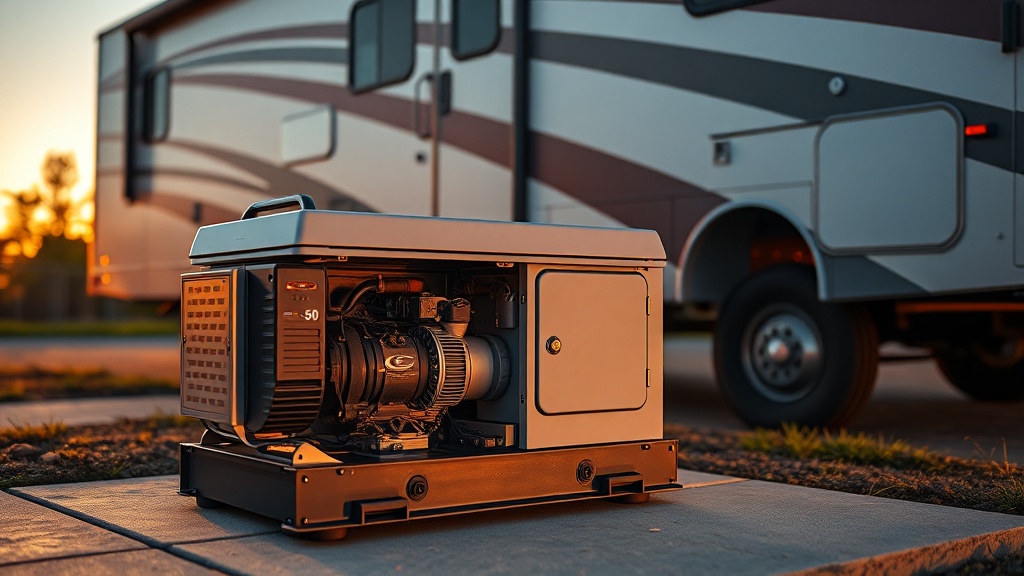
The most common culprit is a mechanical governor issue. On a typical RV generator—such as a 2.8 kW or 3.6 kW petrol unit—the governor linkage can develop slack due to vibration. Check the throttle plate linkage: if it has more than 1–2 mm of free play, adjust it back to manufacturer spec. A secondary cause is a dirty carburetor or fuel system, which causes the engine to hunt for fuel, oscillating RPM. Cleaning the carburetor jets and replacing the fuel filter often resolves these hunting behaviours. For diesel RV gensets, a failing injection pump can also create frequency wobble.
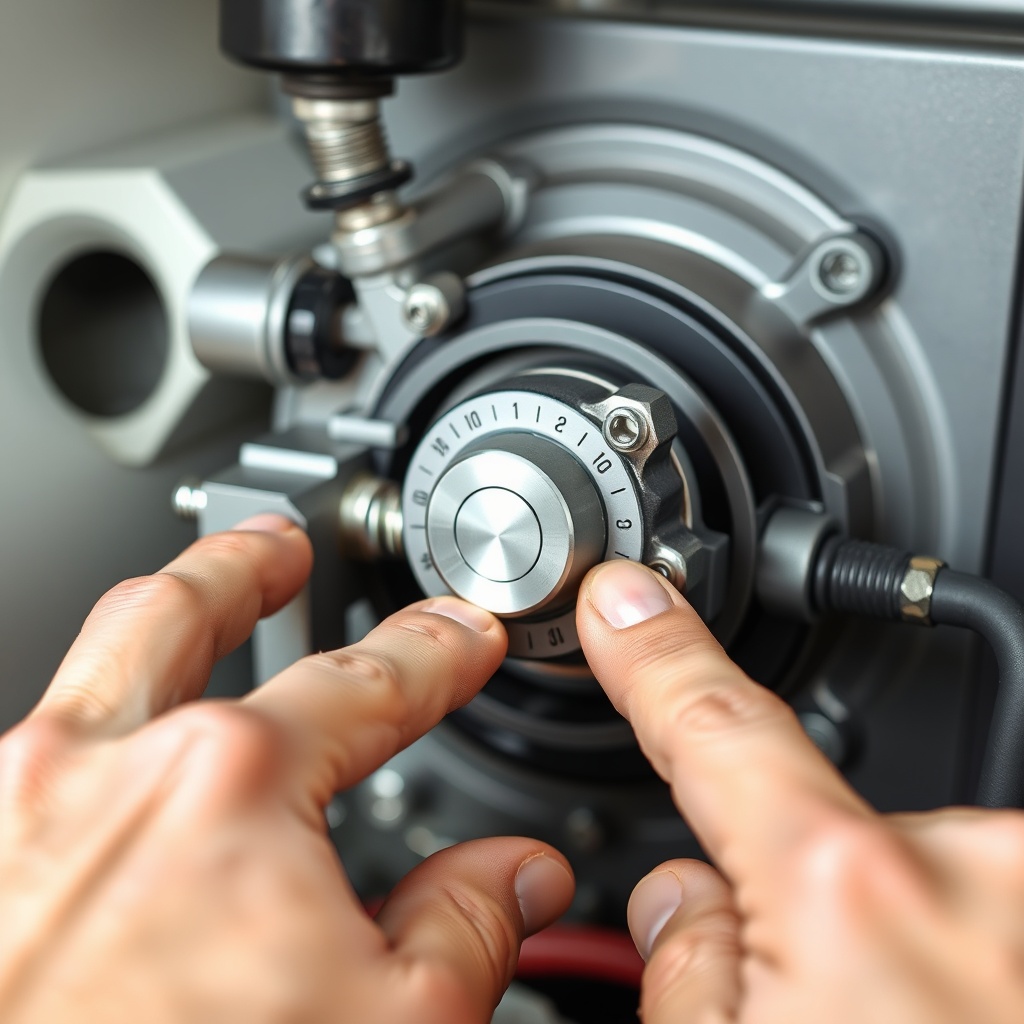
If the mechanical components check out, inspect the alternator’s AVR (automatic voltage regulator) system. Frequency and voltage are intimately linked; a failing AVR can introduce noise that confuses the governor control board. Our guide on RV Generator Voltage Regulator Replacement: Step-by-Step Guide details how to test and replace the AVR. Lastly, ensure the engine’s idle jet is not partially blocked—use a carburettor cleaner spray directly into the idle circuit while the engine is running at no-load to clear deposits.
How Do I Test Frequency Stability on My RV Generator?
Testing requires a true RMS multimeter with frequency measurement capability, or a dedicated power quality meter. Do not rely on a simple incandescent bulb test—frequency instability can exist without visible dimming. Follow this procedure:
- Set your multimeter to Hz (frequency) mode and connect the leads to a known-good 230 V socket (or 120 V for North American units). For UK 230 V systems, expect 50 Hz ± 0.5 Hz at no-load and under load.
- Record the frequency with no electrical load applied. Then add a load bank of approximately 1.5 kW (e.g., a 1500 W space heater). Note the frequency drop—it should not exceed 2 Hz on a healthy generator.
- If the frequency drops more than 3 Hz, the engine is struggling to maintain RPM. This indicates either governor adjustment, fuel flow restriction, or wear in the engine’s main bearings.
For a more precise test, use a handheld tachometer on the flywheel to verify engine RPM. For a 4-pole 50 Hz generator, the engine should run at 1500 RPM under load. A 2-pole 50 Hz unit will run at 3000 RPM. Discrepancies here point directly to governor or engine issues.
Remember: a generator that can maintain voltage but loses frequency under load indicates an engine power deficiency. This is distinct from a purely electrical voltage drop issue. If you observe voltage drop alongside frequency drop, your generator likely suffers from both mechanical and electrical problems—start with the mechanical side first. The article RV Generator Voltage Drop: Troubleshooting and Solutions covers the electrical troubleshooting path in depth.
What Are the Common Causes of Frequency Drift in RV Generators?
Frequency drift—where the output gradually moves up or down over minutes—differs from the rapid oscillation of hunting. Chronic drift is usually due to fuel system degradation or governor wear. Here is a breakdown of severity and root cause:
| Cause | Symptom | Severity Level | Typical Cost (GBP) |
|---|---|---|---|
| Worn governor spring | Drift of up to 3 Hz over 10 minutes | Moderate | £15–£30 for spring kit |
| Clogged fuel filter | Slow frequency decline under load (1–2 Hz drop per minute) | Low to moderate | £8–£15 for filter |
| Failing AVR | Drift combined with voltage instability | High | £40–£120 for AVR module |
| Carburetor air leak | Unpredictable drift, poor idle | Moderate | £2–£10 for gasket |
| Main bearing wear | Erratic drift, vibration, metal shavings in oil | Critical (replace generator) | £1,000–£2,500 for new generator |
If you suspect a worn governor spring, order a replacement from the generator’s manufacturer. These springs are inexpensive and often solve slow drift. For carburetor air leaks, spray carburettor cleaner around the intake gaskets while the engine runs; a change in engine idle confirms the leak location. A failing AVR will require removal and replacement—consult RV Generator Voltage Regulator Replacement: Step-by-Step Guide for the step-by-step procedure.
Can a Faulty Inverter Cause Frequency Instability in My Generator?
If your RV generator is an inverter type (common in modern units like the Honda EU series or newer Onan units), the frequency is electronically regulated by the inverter board. This changes the troubleshooting approach. Mechanical governor issues are less common because inverter generators use a variable-speed engine that adjusts RPM to load demand, while the inverter produces a stable 50 Hz output. However, the inverter’s control board can fail, leading to frequency instability.
Signs of an inverter board problem include: output frequency that jumps erratically between 48 Hz and 52 Hz, the inverter fan running at high speed continuously, or the unit shutting down under light load with no error code. Begin by checking all connections from the generator head to the inverter board—corrosion on these high-current terminals is a known issue in humid climates. Use dielectric grease on the connectors after cleaning.
If connections are clean, the inverter board itself may need replacement. This is a precision repair requiring exact model matching; many owners upgrade to a modern inverter module. Our RV Generator Inverter Installation: Step-by-Step Guide for Clean Power provides a detailed walkthrough for retrofitting a better inverter into an existing generator frame. Also, note that some inverters include a built-in battery charger. If your generator also charges the house batteries, a failing charger circuit can inject noise into the inverter’s reference, causing frequency drift. Check the charger output with a multimeter; if it fluctuates, isolate the charger from the inverter by upgrading to a dedicated charger unit (see DIY RV Generator Battery Charger Setup: Step-by-Step Installation Guide).
How Do I Adjust the Governor to Fix Frequency Instability?
Governor adjustment is a mechanical procedure applicable to conventional (non-inverter) generators. The governor maintains engine speed under varying load. If your generator hunts—alternately speeds up and slows down—the governor needs adjustment. Follow these steps:
- Locate the governor arm on the side of the engine. It typically connects a spring to the throttle plate linkage.
- With the engine off, loosen the governor arm retaining screw slightly but do not remove it.
- Push the throttle plate to the wide-open position (high idle). This loads the governor spring.
- While holding the throttle plate open, rotate the governor arm fully in the direction that opens the throttle. Tighten the screw.
- Release the throttle; the plate should spring back to idle position cleanly.
After adjustment, start the generator and measure frequency at no load. It should sit at 51–52 Hz (for 50 Hz units—manufacturers set no-load a bit higher to compensate for load drop). Add a 1.5 kW load and recheck; the frequency should settle to 49.5–50.5 Hz. If it still hunts, the governor spring may be stretched—replace it as noted in the table above.
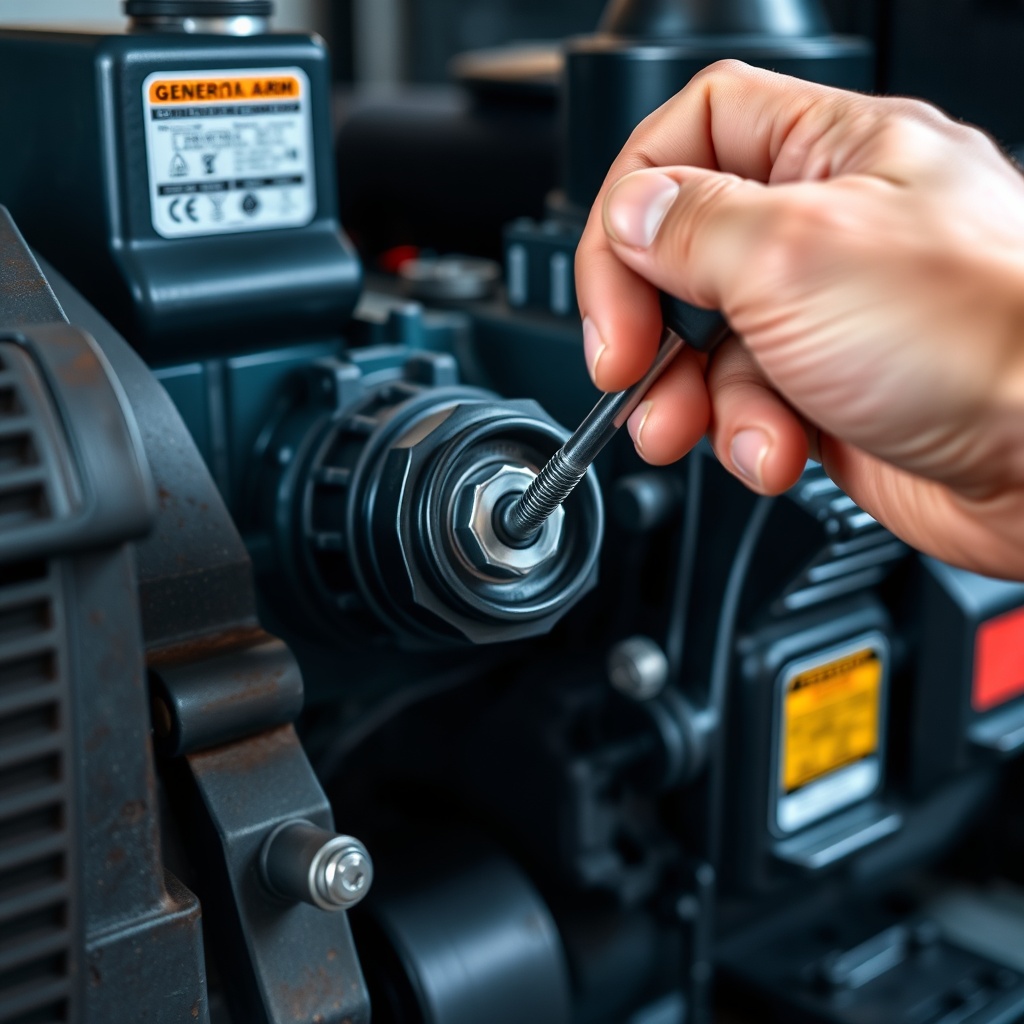
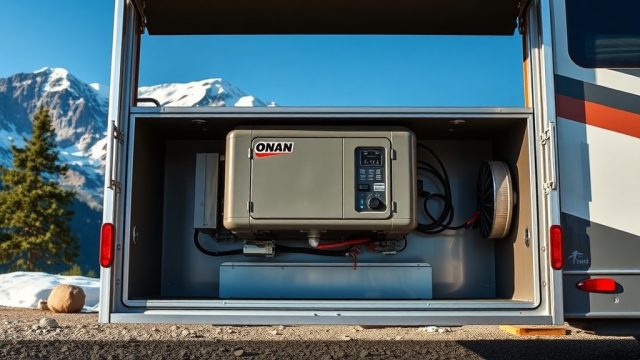
For Onan RV generators (e.g., 4000 series), the governor is often built into the carburetor casting. In these units, adjustment requires a special tool (a 5 mm hex key) to rotate an internal screw. Consult your operator manual for the exact procedure. If you are not comfortable with mechanical adjustments, seek a certified RV service centre—incorrect governor adjustment can cause overspeeding, damaging the alternator and connected appliances. For those installing a transfer switch alongside the generator, see RV Generator Transfer Switch Installation: Step-by-Step Guide to ensure your system handles frequency and voltage safely during automatic switching.
What Owners Say About Frequency Stability Fixes
RV owners on forums like MotorhomeFun and the UK Caravan Club frequently share hands-on experiences with frequency instability. A common theme is that fuel system cleaning alone often resolves 70% of hunting issues. One owner on a 2018 motorhome with a 3.6 kW Onan reported spending £90 on a new AVR before realising a simple carburettor clean with a £8 can of cleaner fixed the problem. Another owner with a 2005 unit described replacing the governor spring for £20 and saw frequency stabilise from ±3 Hz drift to within ±0.2 Hz under load.
Several owners caution against replacing the generator prematurely. A recurring story involves a supposedly “dead” 4 kW generator that had only a blocked fuel line (cost: £12 for a new fuel hose). After cleaning the tank and replacing the hose, the unit ran smoothly at 50 Hz under full load. One professional RV tech notes that he has seen frequency instability caused by a loose ground wire on the control board—a free fix after the owner had spent £400 on new parts. This reinforces the importance of systematic diagnostics: check the simple, cheap things first.
For inverter generator owners, feedback highlights that inverter board failures often occur after voltage surges from external power sources. A surge protector for the generator’s output is a common recommendation. One UK campervan owner with a Honda EU22i found that after a lightning near-hit, the inverter produced 45 Hz output; a £150 inverter board replacement resolved it. Many owners advocate for a dedicated RV Generator Inverter Installation: Step-by-Step Guide for Clean Power to upgrade older units to modern, frequency-stable inverters.
Frequently Asked Questions
1. Can I run my air conditioner if the generator frequency is 48 Hz?
Running an air conditioner at 48 Hz (for a 50 Hz system) is risky. Most compressor motors rely on frequency to determine speed; a 48 Hz input can cause the compressor to run slower, leading to inadequate cooling and potential overheating. Turn off the AC immediately and troubleshoot the frequency instability.
2. Will a frequency converter help stabilise my generator output?
Yes, but it’s an expensive and complex solution. A frequency converter (AC-to-AC) will convert the generator’s unstable output to a clean 50 Hz. This is typically used when you have a large, older generator and want to run sensitive electronics. For most RVers, fixing the generator’s root cause is more cost-effective: a converter can cost £800–£1,500, while a governor spring fix is under £30.
3. How often should I clean my carburettor to prevent frequency issues?
For RV generators used seasonally (2–4 months per year), clean the carburettor every 1–2 years. For full-time RVers, an annual clean is wise. Use stabilised fuel (ethanol-free if possible) and run the generator dry before storage to prevent gumming.
4. Is frequency instability dangerous for my RV’s electrical system?
Yes, particularly for devices like induction cooktops, inverter-based refrigerators, and battery chargers. These devices have internal electronics that rely on a stable 50 Hz signal. A deviation of more than ±2 Hz can cause misoperation or overheating. Long-term exposure to unstable frequency can degrade your transfer switch and branch circuit breakers. The article RV Generator Carbon Monoxide Safety: Detection and Prevention also reminds you that while fixing electrical issues, never run the generator inside an enclosed space—CO can reach lethal levels in minutes.
5. Why does my generator frequency drop only when the microwave is on?
Microwave ovens draw a high inrush current (up to 1.8 kW for a typical unit). If your generator is undersized or its governor is sluggish, this load can cause a temporary frequency drop of 1–2 Hz. This is normal if it recovers within 3–5 seconds. If the drop persists, your generator may be underpowered for the load—consider a larger unit or add a soft-start device to the microwave.
6. Can I calibrate the frequency on an inverter generator myself?
Some inverter generators have a trim pot on the control board for frequency adjustment. Locate it in your service manual (often marked “FREQ ADJ”). Use a non-metallic screwdriver to turn it a quarter turn while monitoring frequency with a multimeter. However, many modern inverters are sealed—improper adjustment can void warranty. If you are not experienced, take it to an authorised dealer.