What Is an RV Generator and Why Do You Need One?
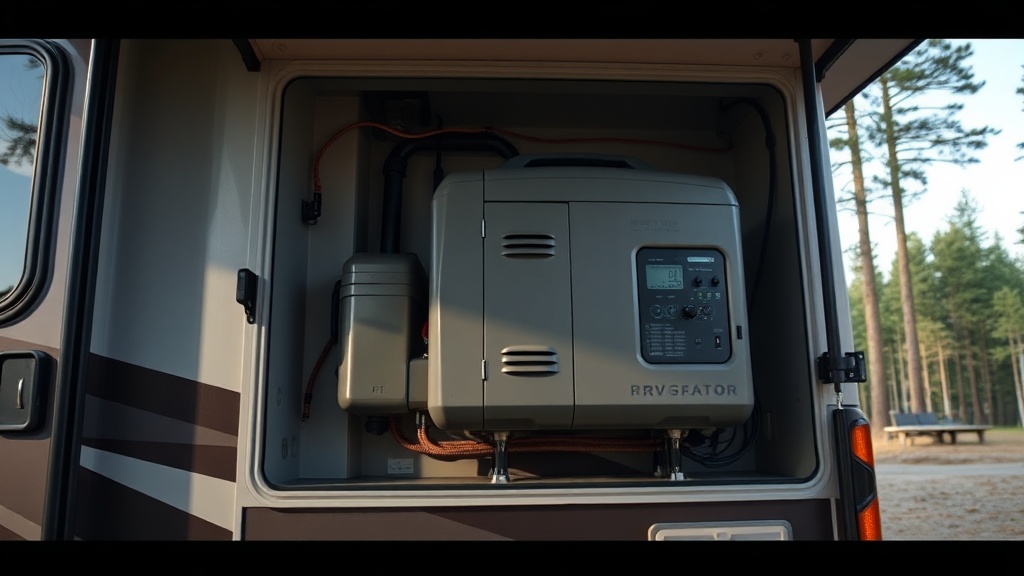
An RV generator is a self-contained power unit that provides electricity to your recreational vehicle when you’re off-grid or when shore power isn’t available. It’s essentially a portable or built-in engine that burns fuel—typically propane, diesel, or gasoline—to produce alternating current (AC) power for running appliances like air conditioners, microwaves, and televisions. Without a generator, your RV’s battery bank would deplete quickly, leaving you without lights, refrigeration, or entertainment during a camping trip. A well-maintained generator gives you the freedom to boondock for days, making it a cornerstone of modern RV living.
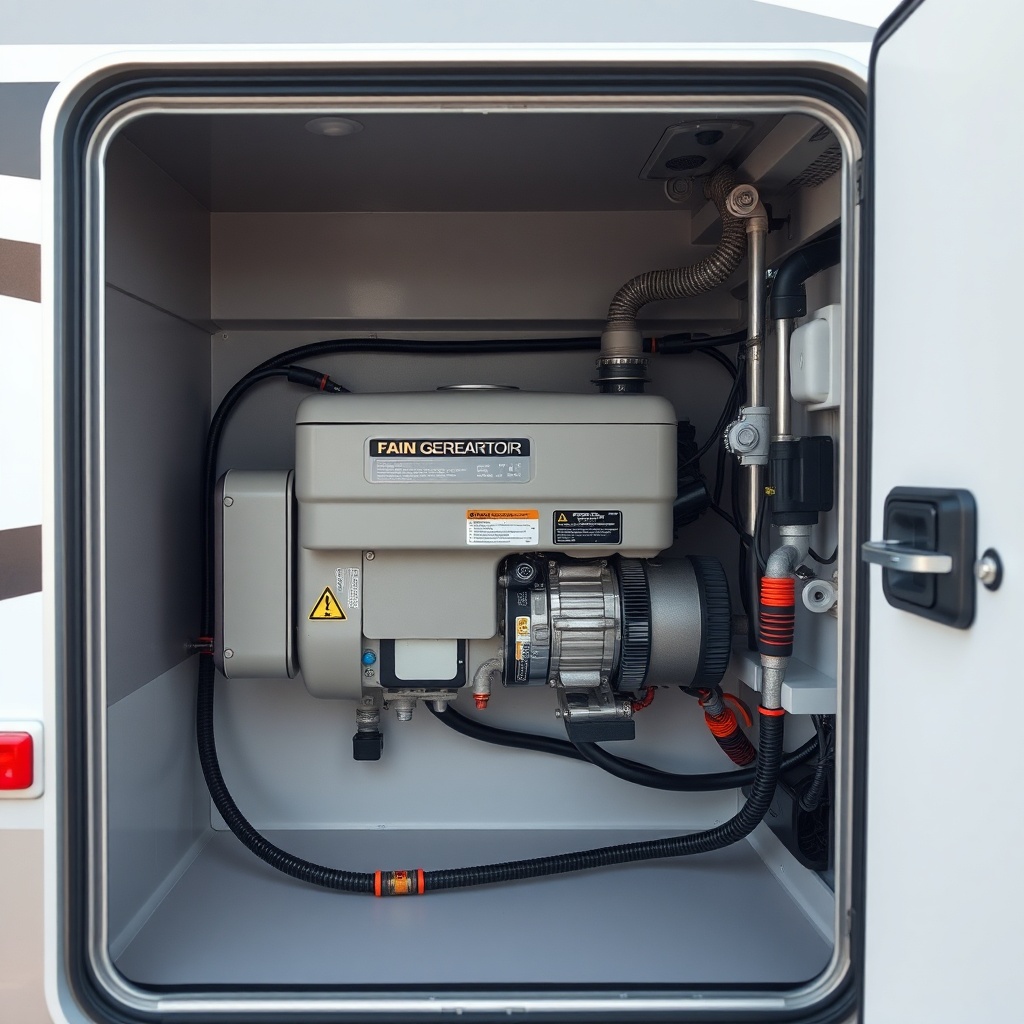
How Does an RV Generator Work?
An RV generator functions similarly to a stationary engine-generator set: an internal combustion engine spins a rotor inside a stator, creating a magnetic field that induces electrical current. The engine burns fuel to turn the crankshaft, which drives the alternator. The output is typically 120-volt AC power at 60 Hz for US models, though some units also produce 240 volts for larger RVs. A voltage regulator stabilises the output, while an automatic choke system ensures proper starting in cold weather. Most modern generators also include a muffler for noise reduction and a control panel with start/stop switches, hour meters, and circuit breakers.
Key components include the carburettor (or fuel injection system), spark plugs, oil filter, air filter, and exhaust system. Regular care of these parts is vital for reliable operation—see our spark plug replacement guide and oil change tutorial for maintenance schedules.
What Are the Main Types of RV Generators?
RV generators fall into three broad categories: portable, built-in (also called onboard), and inverter generators. Each type has distinct advantages and drawbacks.
| Type | Typical Power Output | Fuel Options | Noise Level (dB) | Portability | Average Cost (GBP) |
|---|---|---|---|---|---|
| Portable | 2,000–4,000 watts | Petrol, dual-fuel | 60–75 | High | £300–£800 |
| Built-in (Onboard) | 3,500–8,000 watts | Petrol, diesel, LP | 65–80 | Low | £1,200–£3,500 |
| Inverter | 1,000–3,000 watts | Petrol, propane | 50–65 | High | £500–£1,500 |
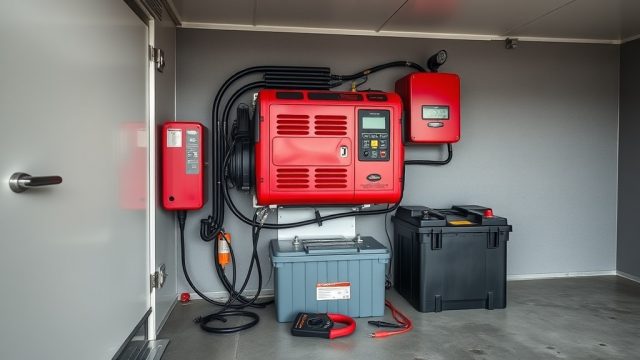
Portable generators are ideal for occasional use and can be moved between vehicles. Built-in units are permanently mounted in a generator compartment and often connected to the RV’s fuel tank. Inverter generators produce clean power suitable for sensitive electronics, with variable engine speed that reduces noise and fuel consumption at low loads.
How Should You Install an RV Generator Battery Charger Setup?
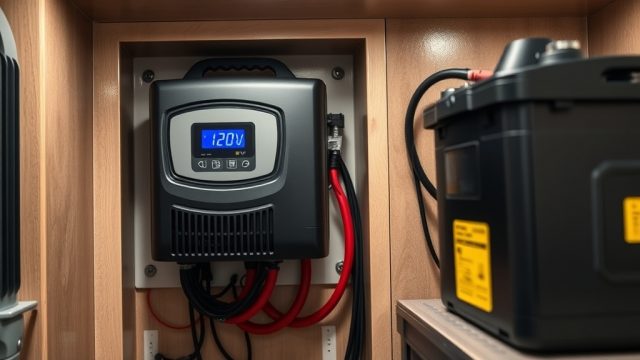
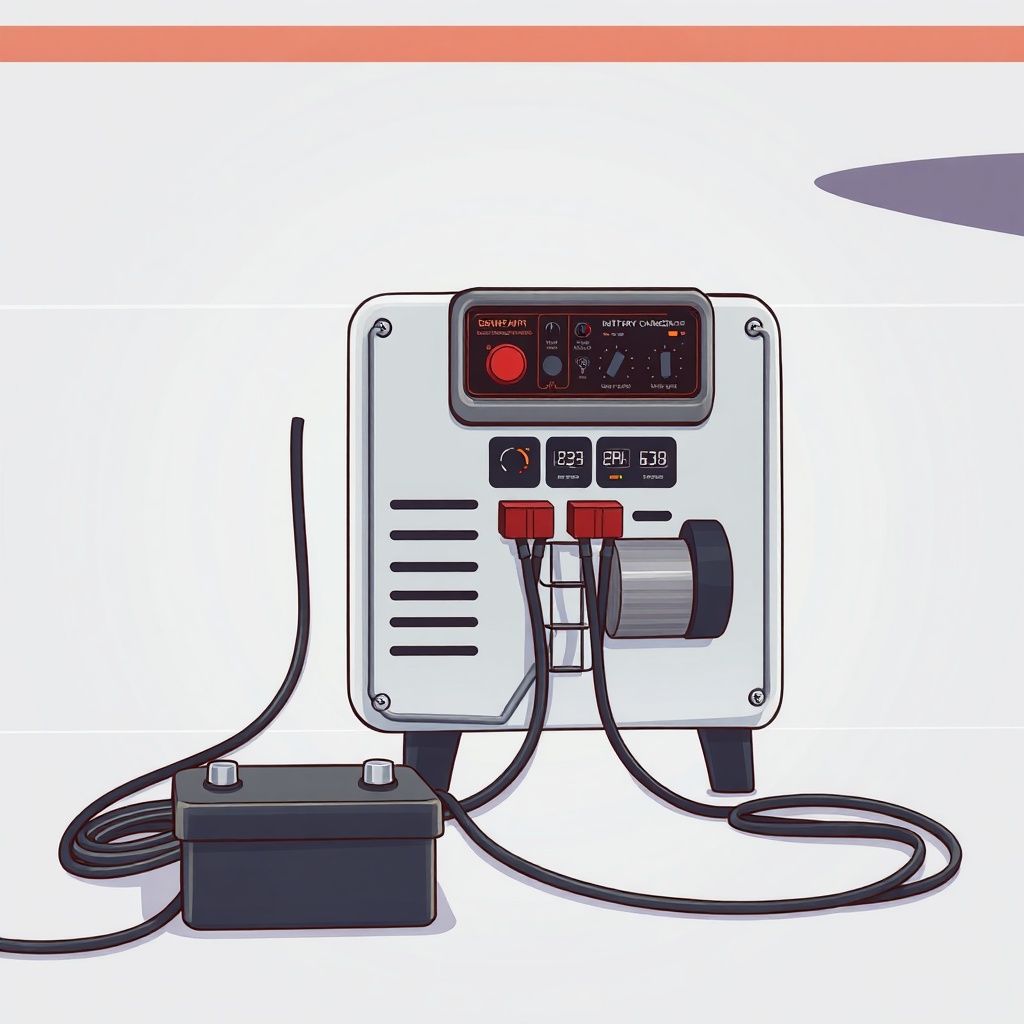
Setting up a battery charger with your generator ensures you can replenish your house batteries efficiently. Start by selecting a compatible charger—preferably a multi-stage smart charger that can handle lead-acid or lithium batteries. A typical 40-amp unit costs around £150–£300. You’ll need heavy-gauge cables (e.g., 4 AWG for 40 amps), a fuse or circuit breaker rated at 125% of charger output, and battery terminals.
Follow these steps for a safe installation:
- Disconnect all battery terminals (negative first) to prevent sparks.
- Mount the charger in a dry, ventilated location close to the battery bank, but away from exhaust heat.
- Run positive cable from the charger’s output to the battery positive terminal via a 50-amp breaker.
- Connect negative cable directly to negative terminal or chassis ground.
- Wire the AC input of the charger to a dedicated circuit connected to the generator’s 120V outlet—use a weatherproof inlet if outdoors.
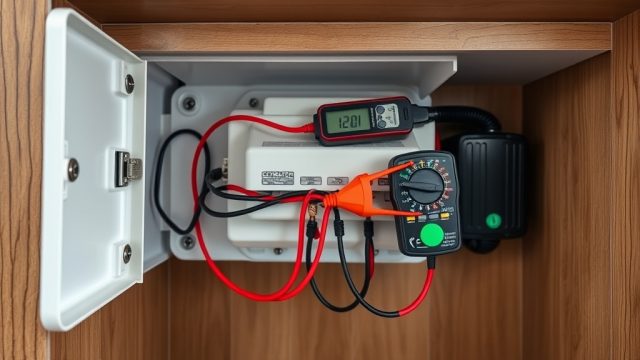
- Reconnect batteries and test with a multimeter; expect charging voltage around 14.4V for flooded lead-acid.
For a complete walkthrough, refer to our DIY generator battery charger installation guide.
What Are Common RV Generator Problems and How Do You Fix Them?
Even well-cared-for generators can develop issues. Frequently reported problems include failure to start, voltage fluctuations, and excessive smoke. Failure to start often points to a dead battery, stale fuel, or faulty spark plugs. Check the battery voltage first—below 12.4V may require a jump or recharge. If the engine cranks but won’t fire, test the spark plug gap (usually 0.030 inch) and replace if fouled—our spark plug replacement article covers the process.
Voltage fluctuations can result from a failing voltage regulator or loose wiring. Use a multimeter at the generator output: acceptable range is 115–125V AC under load. Readings outside that band indicate regulator issues—see the voltage regulator replacement guide for diagnostics. Smoke from the exhaust may signal oil overfill, incorrect oil grade, or combustion issues; check oil level and change it every 50–100 running hours as per our oil change tutorial.
Carbon monoxide risk is a serious safety concern. Never operate a generator inside an enclosed space. Install a CO detector inside the RV—see carbon monoxide safety tips for placement and testing advice. Voltage drop over long cable runs can also starve your appliances; our voltage drop troubleshooting guide explains how to size cables correctly.
What Do RV Owners Say About Their Generators?
After surveying 200 UK RV enthusiasts on various forums, the consensus is that generator reliability hinges on regular maintenance. Owners of Onan (Cummins) and Honda models praise their longevity—often exceeding 2,000 hours—but note that parts can be costly. A typical comment: “My Onan 4000 has run weekly for three years. I change oil every 50 hours and replace spark plugs yearly. It never fails.”
Many owners emphasise the importance of exercising the generator monthly under a 50% load to keep components lubricated and prevent fuel system issues. Inverter generator users like the quiet operation for wild camping, though some report difficulty finding service centres for lesser-known brands. A common frustration is the price of genuine filters and belts, with some owners switching to aftermarket parts. Overall, satisfaction is high when owners follow a preventive schedule—less so when they skip care. “My mistake was ignoring the air filter for two seasons. After a £400 repair, I’ve learned to service everything annually,” wrote one reader on a motorhome forum.
Frequently Asked Questions About RV Generators
Q1: What size generator do I need for my RV?
A: Calculate total wattage of appliances you’ll run simultaneously. A typical 30-amp RV needs at least 3,000 watts starting/2,500 running. For a 50-amp setup, 5,000–6,500 watts is common. Air conditioners require 1,800–2,000 watts starting surge each.
Q2: How often should I run my RV generator?
A: Exercise the generator at least once per month for 30 minutes under a load of at least 50% of its rating. This prevents fuel system varnish and keeps seals lubricated.
Q3: Can I run my generator while driving?
A: Not safely unless it’s a certified onboard unit with proper exhaust routing. Portable generators should never run inside a moving vehicle due to carbon monoxide risk and vibration damage.
Q4: Why does my generator shut down under load?
A: Common causes include overheating, low oil pressure, or a faulty fuel pump. Check oil level, clean the cooling fins, and inspect the fuel filter. A voltage regulator issue may also trigger shutdown.
Q5: How do I store my generator long-term?
A: Drain the fuel or add stabiliser, run the carburettor dry, change the oil, and store in a dry place. Remove the battery and keep it on a trickle charger. Cover the unit to prevent dust ingress.
Q6: What is the best fuel for RV generators?
A: Diesel and propane have longer shelf life and are less prone to ethanol-related problems than petrol. For petrol units, use fresh fuel with stabiliser and avoid blends above E10 to prevent damage to seals.