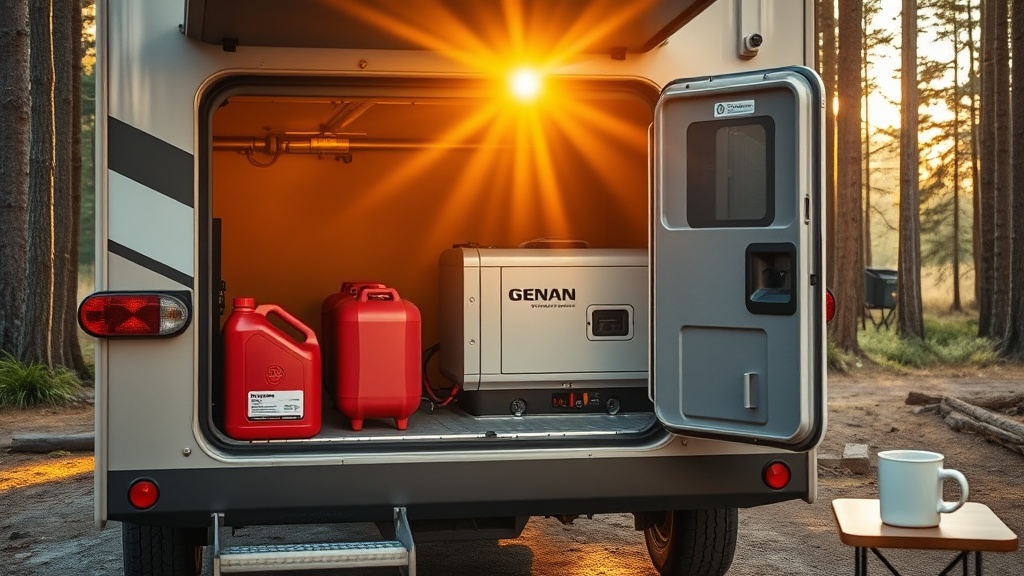
For RV owners who rely on their generator for extended boondocking or off-grid comfort, fuel choice is often an overlooked variable that can make or break reliability. Ethanol-blended gasoline, common at most roadside pumps, can cause serious issues in RV generators—from clogged carburetors to degraded fuel lines. This guide explains why ethanol-free fuel is superior for your RV generator, how to source it cost-effectively, and what fellow RVers have learned through real-world experience.
What Is Ethanol-Free Gasoline and Why Does It Matter for My RV Generator?
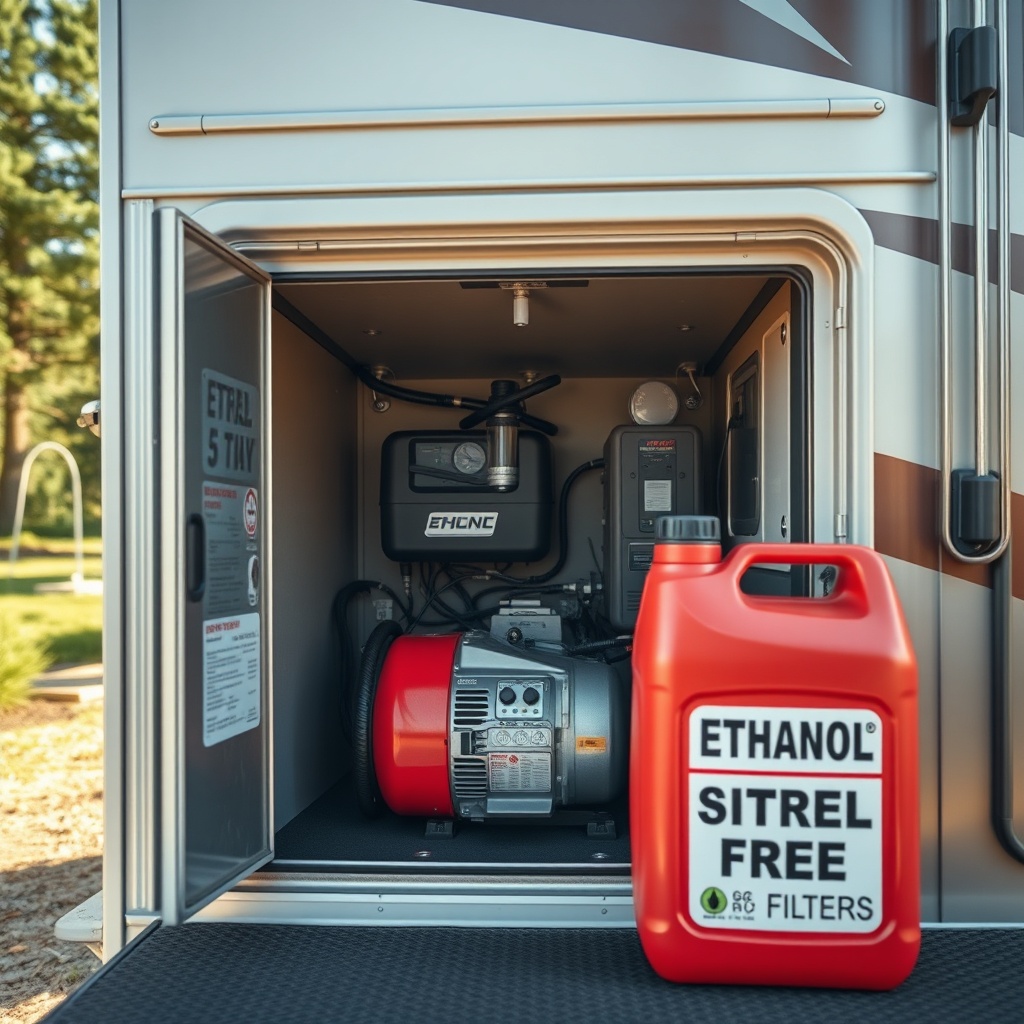
Ethanol-free gasoline, also known as recreational fuel or pure gas, contains no added ethanol (typically E0 or E10-free). Most standard gasoline in the US contains up to 10% ethanol (E10), while some regions offer E15. The problem? Ethanol is hygroscopic—it attracts moisture from the air. Over time, that moisture separates from the fuel, settles at the bottom of your generator’s tank or carburetor, and promotes corrosion, varnish, and gum formation. In an RV generator that may sit unused for weeks or months between trips, ethanol-blended fuel accelerates wear on seals, gaskets, and delicate carburetor passages. Ethanol-free fuel, by contrast, is far more stable, lasts longer in storage, and reduces the risk of starting issues or fuel system repairs.
What Are the Real Benefits of Using Ethanol-Free Fuel in an RV Generator?
Switching to ethanol-free fuel offers several tangible advantages for your generator’s health and your wallet over the long haul.
- Longer fuel shelf life: Ethanol-free gas can remain stable for 6 to 12 months or more with proper storage, compared to 2–3 months for E10. This is crucial for seasonal RVers.
- Reduced carburetor and injector problems: Without ethanol’s corrosive nature, carburetor jets, floats, and fuel passages stay cleaner, reducing the frequency of rebuilds or replacements.
- Better cold-weather starting: Ethanol absorbs water, which can freeze in fuel lines or carburetors in freezing temperatures. Ethanol-free fuel avoids this issue entirely.
- Improved fuel economy: Because ethanol has lower energy density (about 33% less energy per gallon than pure gasoline), engines running on ethanol-free fuel tend to produce slightly more power and better fuel efficiency. Expect a 3–5% improvement in runtime per tank.
- Less water contamination: No ethanol means no phase separation—the process where water and ethanol separate from gasoline, causing rough running and potential engine damage.
While ethanol-free fuel typically costs $0.50 to $1.50 more per gallon than regular gas, the savings from avoiding generator repairs (carburetor rebuilds run $150–$300, fuel system cleaning $200–$500) often make it the more economical choice.
How Do I Find Ethanol-Free Gasoline Near Me for My RV Generator?
Finding ethanol-free fuel is easier than you might think, though it’s not sold at every corner station. Here are the best sourcing strategies:
- Use online tools: Websites like Pure-Gas.org (or the app) maintain an interactive map of stations selling ethanol-free gas in the US and Canada. Filter by state, region, or zip code.
- Check marinas and airports: Many marinas sell ethanol-free fuel for boats (often labeled “marine fuel”), and small airports sometimes stock “avgas” (100LL), though that is leaded and not recommended for most RV generators). Stick to unleaded ethanol-free pump gas.
- Look for “Rec Fuel” or “Non-Ethanol” pumps: In states like Florida, Minnesota, and Oregon, ethanol-free fuel is common at gas stations that cater to boaters, farm equipment, and classic car owners.
- Call ahead: When planning a long trip, call stations along your route to confirm they carry ethanol-free gasoline. Many chains (e.g., QuikTrip, Sheetz, Murphy USA) have limited locations with it.
- Carry a fuel stabilizer as backup: If ethanol-free isn’t available, use a high-quality stabilizer (e.g., Sea Foam, STA-BIL) designed for ethanol fuels. But stabilizers only slow degradation; they don’t eliminate ethanol’s corrosion risk.
For a quick reference, here’s a comparison of typical fuel options for RV generators:
| Fuel Type | Average Price per Gallon (USD) | Shelf Life (Months) | Ethanol Content | Carburetor Risk |
|---|---|---|---|---|
| Ethanol-free (E0) | $4.50 – $6.00 | 6–12+ | 0% | Low |
| Standard E10 | $3.50 – $4.50 | 2–3 | 10% | Moderate to High |
| E15 (Flex Fuel) | $3.20 – $4.00 | 1–2 | 15% | High (not recommended) |
Can I Use a Fuel Additive to Make Ethanol Gasoline Safe for My RV Generator?
The short answer is: fuel additives can help, but they are not a complete substitute for ethanol-free fuel. Products like Star Tron Enzyme Fuel Treatment or STA-BIL Ethanol Treatment can reduce water absorption, clean deposits, and stabilize fuel for a few extra months. However, they cannot prevent phase separation once the water content in the fuel exceeds 0.5% (the saturation point for ethanol). Once phase separation occurs, the water-ethanol layer that sinks to the bottom of your tank is corrosive and can be drawn directly into your generator’s fuel system. If you must use E10, always treat it immediately with a stabilizer, run the generator for 10–15 minutes to circulate the treated fuel, and top off the tank to minimize air space (where moisture condenses). But for best results, prioritize ethanol-free fuel, especially if your generator sits idle for more than 4 weeks.
What Are the Installation and Maintenance Tips for an RV Generator Already Using Ethanol-Free Fuel?
Even with ethanol-free fuel, proper generator maintenance is essential. Here are key practices:
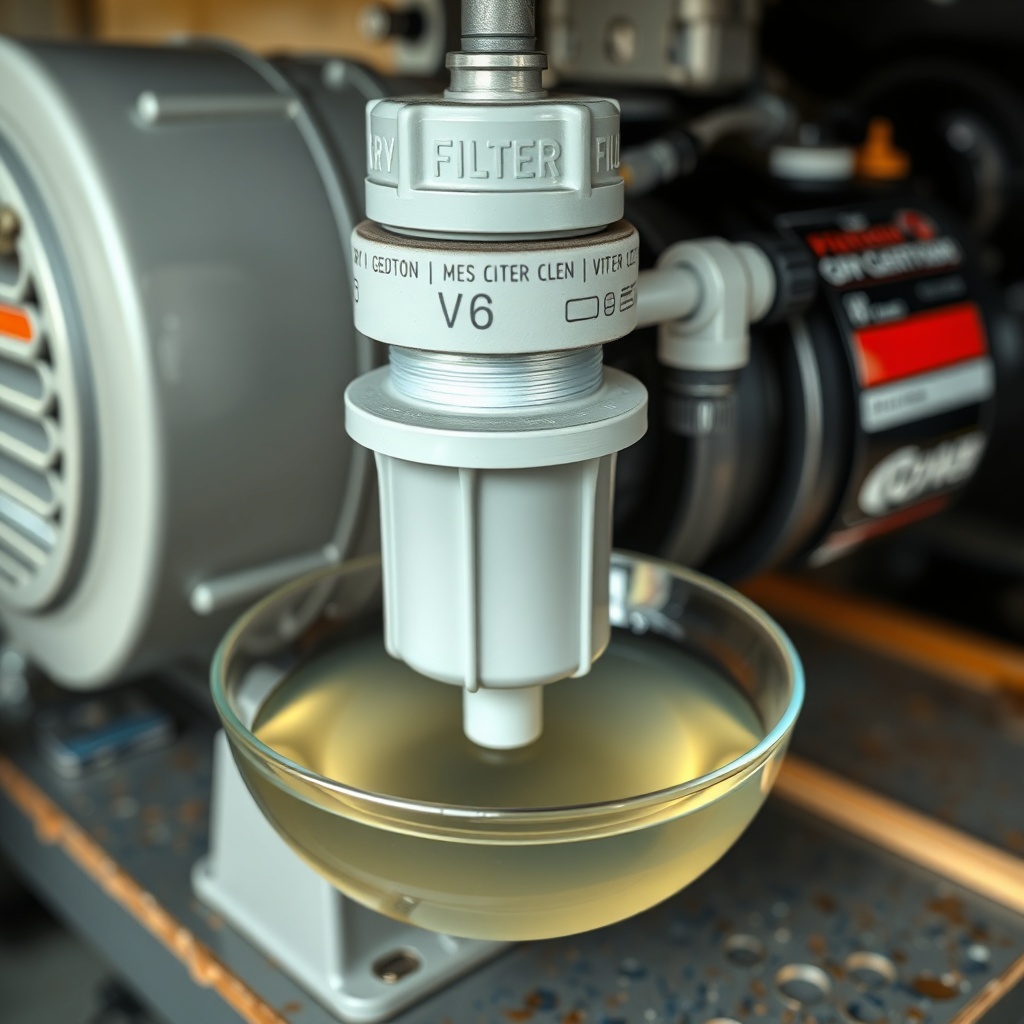
- Install a fuel-water separator filter: This $30–$60 inline filter catches any condensation or debris before it reaches the carburetor or injectors. Clean or replace it every 6 months.
- Use a fuel stabilizer anyway: For long-term storage (over 3 months), a stabilizer like STA-BIL Storage extends shelf life to 24 months, even with ethanol-free fuel.
- Run the generator monthly: Under load (at least 50% of rated capacity) for 30 minutes burns off any moisture that may have accumulated and keeps seals lubricated.
- Check fuel lines annually: Even ethanol-free fuel can degrade rubber lines over 5–7 years. Replace them if you see cracking or swelling. Consider upgrading to ethanol-resistant lines (rated for alcohol fuels) as a precaution.
- Consider a generator battery charger setup: A properly configured DIY RV Generator Battery Charger Setup ensures your house batteries stay charged without overworking the generator. That’s especially relevant when using ethanol-free fuel, as consistent runtime helps prevent fuel stagnation.
What Are the Long-Term Costs of Using Ethanol-Free vs. Regular Gas in My RV Generator?
Let’s break down the numbers over a typical 5-year ownership period for a mid-range RV generator (e.g., 4,000-watt Onan or Cummins). Assume you run the generator 200 hours per year (about 4 hours per week during camping season).
- Ethanol-free fuel: $4.50/gal × 1.5 gal/hour × 200 hours = $1,350/year. Plus one stabilizer bottle ($10/year). Total over 5 years: $6,800.
- E10 regular gas: $3.50/gal × 1.6 gal/hour (slightly higher consumption due to lower energy density) × 200 hours = $1,120/year. Plus one stabilizer bottle ($10/year) and an average of one carburetor rebuild every 2 years ($250 each). Total over 5 years: $5,600 + $500 = $6,100.
At first glance, E10 seems cheaper by $700 over 5 years. But consider the hidden costs: a carburetor rebuild may not fix underlying varnish or fuel line damage. A major fuel system replacement (pump, lines, carb) can cost $800–$1,200. And generator downtime during repairs—lost camping time—has its own value. Many RVers find the peace of mind and reduced maintenance effort worth the extra $140/year.
What Owners Say
RVers who have switched to ethanol-free fuel consistently report positive experiences. On RV forums like IRV2 and RV Wanderlust, owners note:
- “I ran E10 for two seasons and had to rebuild the carburetor twice. Switched to ethanol-free gas three years ago—haven’t touched the carb since. The generator starts on the first pull every time.” — Mark T., Class A owner
- “At first I balked at the extra dollar per gallon, but when I factor in the cost of fuel system cleaner and the time spent cleaning jets, ethanol-free pays for itself. Plus my Onan 4000 runs smoother.” — Linda P., travel trailer owner
- “I always grab ethanol-free at a nearby marina when I’m near the coast. I carry 5-gallon jerry cans and plan my fuel stops. It’s worth the small detour.” — Steve R., van conversion owner
- “My generator tech strongly recommended ethanol-free after my warranty ran out. He said 90% of his service calls on RV generators are ethanol-related. I believe him now.” — Karen S., fifth-wheel owner
For those upgrading their electrical system, pairing ethanol-free fuel with a reliable inverter enhances power quality. Check the RV Generator Inverter Installation: Step-by-Step Guide for Clean Power for tips on achieving stable, clean AC power. Similarly, addressing voltage irregularities with a RV Generator Voltage Drop: Troubleshooting and Solutions approach ensures your generator performs optimally with premium fuel.
Frequently Asked Questions
1. Can I mix ethanol-free gasoline with regular E10 in my RV generator?
Yes, but it dilutes the benefits. The ethanol content will be somewhere between 0% and 10%. To maintain stability, avoid mixing unless necessary, and always treat the fuel with a stabilizer. Best practice: use only one fuel type per tank.
2. Does ethanol-free gas increase generator lifespan?
Indirectly, yes. By reducing carburetor corrosion, fuel line degradation, and water contamination, ethanol-free fuel reduces the frequency of repairs and extends the service life of the generator’s fuel system components. Many owners report 10+ years of reliable operation with proper maintenance.
3. Is ethanol-free fuel available in Canada?
Yes, but less commonly than in the US. Use Pure-Gas.org’s Canadian map or check with marinas, farm supply stores, and specialty gas stations. Expect to pay CAD $1.80–$2.50 per liter (equivalent to about $6.80–$9.50 per US gallon).
4. Should I drain the fuel tank before storing my RV generator for winter?
If you use ethanol-free fuel, you can leave the tank full (to minimize air space and condensation) with a stabilizer added. If using E10, drain the carburetor and tank completely, or run the generator dry—though this can dry out seals. Ethanol-free fuel with stabilizer is the safer storage option.
5. Can I use race fuel or aviation gas in my RV generator?
Aviation gas (100LL) contains lead, which can damage the catalytic converter and oxygen sensors on modern generators. Leaded fuel is not recommended. Some race fuels are ethanol-free but have high octane ratings (100+). Check your generator manual: most RV generators are designed for 87 octane regular gas. Use 87 octane ethanol-free for best results.
6. Will using ethanol-free fuel void my generator warranty?
No, it should not. Generator manufacturers typically recommend fuel with less than 10% ethanol. Ethanol-free fuel (E0) exceeds this standard. However, always check your owner’s manual and ensure you keep records of fuel purchases for warranty claims. For transfer switch and installation concerns, the RV Generator Transfer Switch Installation: Step-by-Step Guide covers proper wiring practices. Meanwhile, if you encounter frequency issues, refer to the RV Generator Frequency Stability: Troubleshooting and Solutions article.