What Is an RV Generator Propane Conversion Kit and Why Consider One?
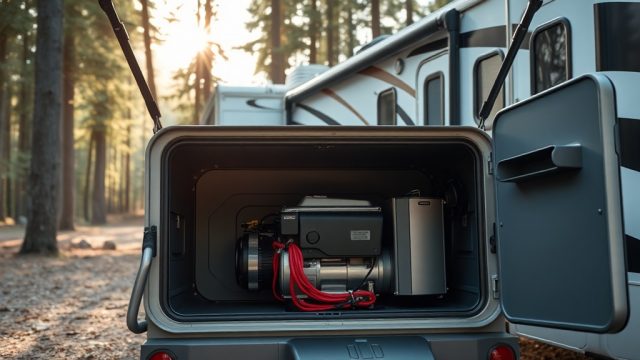
An RV generator propane conversion kit allows you to run your generator on propane (LPG) instead of gasoline. This kit replaces the carburetor or fuel system components to safely vaporize and mix propane with air, enabling combustion. Owners often choose propane for its longer shelf life, cleaner burn, and reduced maintenance—especially for intermittent RV use.
Propane burns more thoroughly than gasoline, leading to less carbon buildup in the generator’s engine and spark plugs. Fuel stability is another advantage: propane doesn’t degrade or gum up carburetors during storage, which is common with ethanol-blended gasoline. For RVers who already carry propane for cooking or heating, a conversion kit eliminates the need to haul separate gasoline cans, simplifying fuel logistics.
Cost is a primary consideration. A typical propane conversion kit for an RV generator costs between $200 and USD 600, depending on generator make and model. Installation can be a weekend DIY project for those comfortable with basic tools and fuel system work. However, some owners opt for professional installation, which adds USD 150 to USD 400 to the total. Compare this with the long-term fuel savings and reduced maintenance—many find conversion pays for itself within two to three seasons of regular use.
How Does the Installation Process Work from Start to Finish?
Installing an RV generator propane conversion kit involves several key phases: preparation, carburetor modification, fuel line setup, and final adjustments. This guide assumes you have a generator in the 4,000 to 8,000 watt range, which is common in Class A and fifth-wheel RVs. Always consult your specific kit’s manual, as variations exist between brands like Ethanol-Free Fuel Guide.
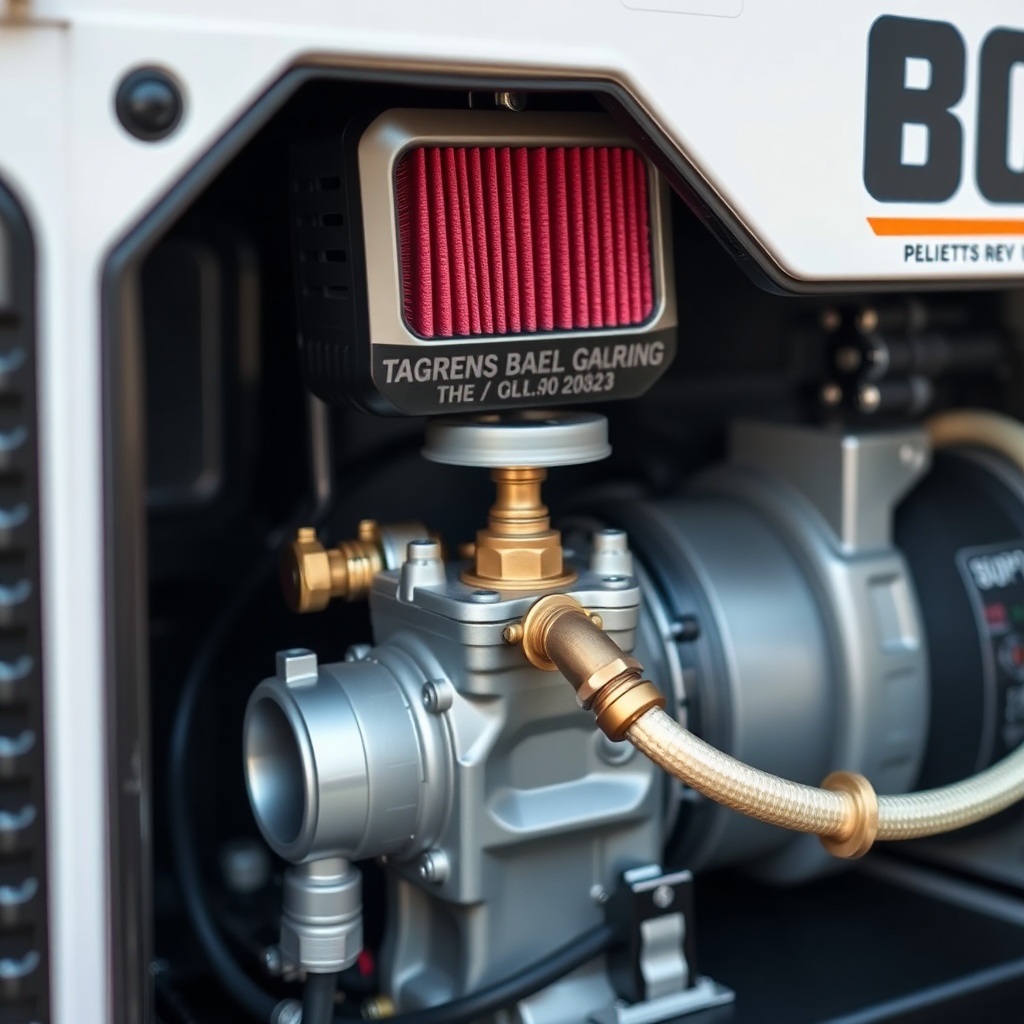
Phase 1—Preparation and Safety: Disconnect the generator battery negative terminal and turn off all propane tank valves. Work in a well-ventilated area with a fire extinguisher nearby. Remove the generator’s air filter housing and access the carburetor. Carburetor removal typically requires a screwdriver and a small wrench set. Set aside all hardware in a container to avoid losing it.
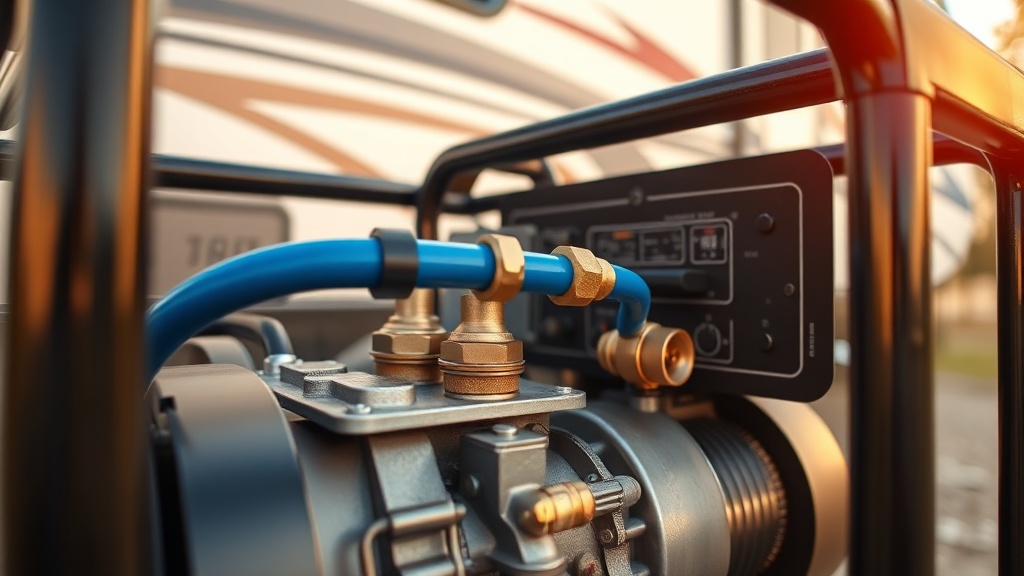
Phase 2—Carburetor Modification: Most propane conversion kits include a replacement carburetor gasket and a brass adapter that fits between the carburetor and the air intake. Remove the existing carburetor, detach the fuel line from the gasoline tank, and discard any old gaskets. Install the new gasket and the propane adapter, ensuring a tight seal. Reattach the carburetor, and connect the propane supply hose (usually 1/4-inch or 3/8-inch, depending on kit). Some kits also require drilling a small orifice in the carburetor’s choke plate—use the provided drill bit and follow kit instructions precisely. This allows the propane-air mixture to flow correctly.
Phase 3—Fuel Line Setup: Run a dedicated propane line from the generator to a tee or quick-connect fitting at the main propane tank. Use only certified LPG hose (typically Type B or 1/4-inch copper tube). For RV generators inside compartments, ensure the line is routed away from exhaust components and hot surfaces. Secure the line with clamps or zip ties every 12 to 18 inches. Install a propane shut-off valve near the generator for easy isolation. After connecting, apply leak detection spray (or soapy water) to all joints. With tanks open, check for bubbles—no leaks = safe to proceed.
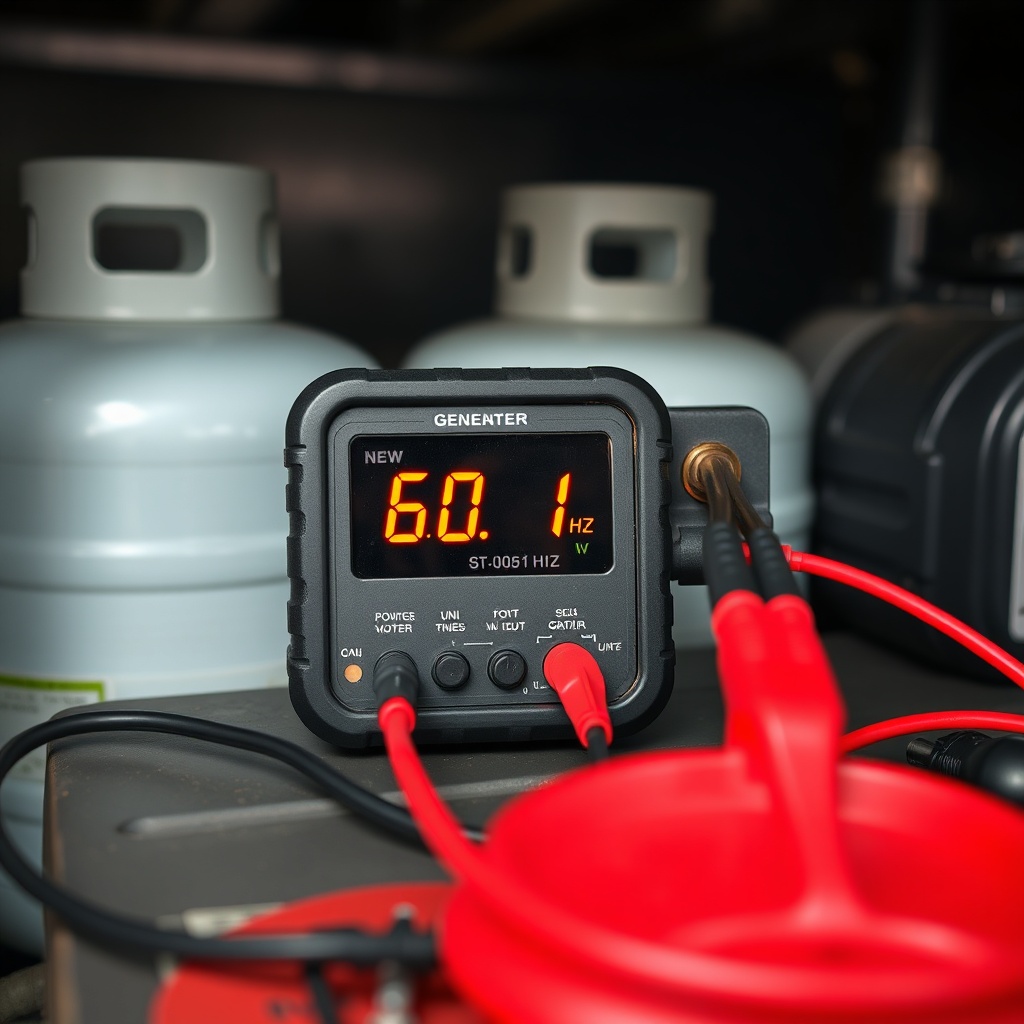
Phase 4—Final Adjustments: Start the generator on propane (if possible, but many generators require initial hand cranking to purge air from lines). Adjust the mixture screw on the carburetor (if provided) to achieve a steady idle and smooth load response. For generators with electronic governor, use a multimeter to confirm frequency stays between 59 and 61 Hz under half load. For additional tuning guidance, see RV Generator Frequency Stability: Troubleshooting and Solutions. If your generator’s choke system needs modification to run on propane, the kit will include an electric primer or a manual choke block-off plate—install as directed. Let the generator run for 15 minutes at no load, then at 50% load for another 30 minutes to ensure stability.
What Tools and Components Do You Need Before Starting?
Before laying hands on the generator, gather the essential tools and components. Missing a single part can delay the whole project by days, so preparation is key. Below is a comparison table of typical tools and what you’ll need.
| Tool or Component | Purpose | Estimated Cost (USD) |
|---|---|---|
| Propane conversion kit (specific to generator model) | Includes adapter, gaskets, orifice, and instructions | 200–600 |
| Propane hose (1/4″ or 3/8″ Type B, 10 ft) | Connects generator to tank supply | 15–30 |
| Brass fittings (NPT to flare adapters, tee, shut-off valve) | Connect hose to tank and generator | 10–25 |
| Adjustable wrench, screwdrivers (flathead and Phillips) | Carburetor and fitting removal | Already own (0) |
| Torque wrench (inch-pounds) | Critical for carburetor bolts (10–15 in-lbs) | 25–80 |
| Drill bit (provided or 1/16″ to 1/8″) | Carburetor choke plate modification | Included/5 |
| Propane leak detection spray or soapy water | Check all connection points for leaks | 8–12 |
| Multimeter with frequency measurement | Verify Hz under load | 20–60 |
| Safety goggles and gloves | Personal protection during work | 10–20 |
Note: Not all generator models accept propane conversion. Check compatibility first: Onan generators typically require a specific kit (like the Onan Propane Conversion Kit, P/N 542-0000). Standard Honda or Yamaha portable generators often have universal kits available from companies like PropaneCarbs.com or US Carburetion. If you are unsure, consult your generator’s service manual or contact the manufacturer. For inverter generators, conversion is trickier because of built-in EFI systems—see RV Generator Inverter Installation: Step-by-Step Guide for Clean Power for cautions.
How Do You Ensure Proper Safety When Handling Propane Lines?
Propane is highly flammable and heavier than air, meaning it can pool in low spots. Safety is paramount when installing a propane conversion kit. Start by confirming your propane tank is in good condition—check the OPD (Overfill Prevention Device) and hydrostatic test date. If the tank is older than 10 years, have it inspected or replaced.
The most critical safety step is leak testing after every connection. Apply leak detection fluid (or a mixture of dish soap and water) to all fittings while the propane tank valve is open. Watch for bubbles—if any appear, tighten the fitting using two wrenches (one to hold the joint, one to turn the nut) until bubbles stop. If bubbles persist, disassemble and apply fresh pipe dope (yellow Teflon tape for propane is NOT recommended—use only pipe dope rated for LPG). Re-test.
Another hazard is the propane line rubbing against the generator’s vibrating body over time. Secure the hose away from any sharp edges, and use protective grommets where it passes through metal walls. Install the shut-off valve in a location you can reach quickly without crawling under the RV. Also, note that propane burns hotter than gasoline, so verify your generator’s exhaust system and muffler can handle the extra heat. Some installations require adding a heat shield for the generator compartment. For remote start integration, see RV Generator Remote Start Installation: Step-by-Step Guide for Convenience for wiring tips that avoid propane line interference.
Never operate the generator inside a closed garage or RV bay without proper ventilation—propane exhaust contains carbon monoxide. Install a CO detector in the living area if not already present. And finally, ensure your propane tank is mounted securely and the regulator (if any) is rated for full generator draw. Most RV generators consume 1.5 to 2.5 gallons equivalent per hour at half load, so a 30-pound propane tank provides about 8–12 hours of runtime.
What Adjustments Are Needed After the Kit Is Installed?
After the physical installation, the generator must be tuned for optimal propane operation. Propane has a different Air-Fuel Ratio (AFR) than gasoline—it requires a richer mixture. Most conversion kits include an adjustable mixture screw on the carburetor adapter. Start the generator and let it warm up for 5 minutes at idle. Turn the mixture screw clockwise to lean the mixture, counterclockwise to richen. Ideally, adjust until the engine runs smoothly without surging or stumbling. For an 8 kW unit, the no-load frequency should be 60.0 to 61.5 Hz.
Load testing is crucial. Connect a variable load bank or apply resistive loads (like a space heater or electric water heater) to reach 50% of generator capacity. Check frequency with a multimeter—target between 59.5 and 60.5 Hz. If frequency sags below 58 Hz under load, the mixture is likely too lean; richen it slightly. If it runs rough or backfires, it may be too rich. Repeat the adjustment until the generator handles load changes smoothly. For help with frequency issues, read RV Generator Frequency Stability: Troubleshooting and Solutions.
Also, check the throttle linkage: propane tends to require a slightly higher idle speed than gasoline. Adjust the throttle stop screw to achieve 60–62 Hz at no load. Some kits alter the choke operation—remove the choke linkage or wire it open, since propane doesn’t require a choke to start. After tuning, run the generator at full rated load for 10 minutes to confirm sustained performance. A fully converted generator should restart easily without needing to press the choke button.
What Owners Say About Propane Conversion Kits for RV Generators
RV owners who have performed propane conversions report notable benefits but also some frustrations. Common positive feedback includes:
- Cleaner operation: “After two years of running propane, my spark plugs still look almost new. No more gummed-up carburetor.” — James L., 2023 Forest River Berkshire.
- Fuel stability: “I can leave the generator sit for four months in the winter, and it starts on the first pull. With ethanol gas, I was constantly rebuilding the carb.” — Sarah K., 2021 Winnebago View.
- Quieter exhaust note: Propane produces a slightly lower combustion noise, making the generator sound less harsh. Several owners on RV forums mention this as an unexpected perk.
However, owners also note drawbacks:
- Reduced power output: Propane has about 85-90% of the BTU content of gasoline by volume. Generators typically lose 5-10% of maximum wattage. For a 6 kW generator, that means max continuous power drops to ~5.4 kW. This may affect high-draw appliances like air conditioners.
- Harder starting in cold weather: Propane vaporization slows below 30°F. Owners in northern climates report that hitting the start button multiple times is necessary on chilly mornings. Some install a small electric heater inside the generator compartment to combat this.
- Limited availability of qualified installers: Many RV service centers refuse to convert generators due to liability. As Scott M. from a 2022 Thor Challenger says: “Three shops turned me away before I found an old-timer who did conversions on the side.”
In general, owners who frequently camp off-grid (boondocking) and rely on propane for other appliances find conversion worthwhile. Weekend users with gasoline-only rigs often stick with gasoline due to the higher initial cost and minor power loss. For more on fuel alternatives, see RV Generator Ethanol-Free Fuel Guide: Benefits and Sourcing Tips.
Frequently Asked Questions
1. Is propane conversion safe for any RV generator?
Not all generator models are suitable. Carbureted generators (common in older units and some portable generators) are the easiest. Electronic fuel injection (EFI) generators require proprietary parts and may void warranties. Always check with the generator manufacturer first.
2. How much does a propane conversion kit cost for a 7-kW Onan?
A dedicated kit for Onan generators costs about $450 to USD 600. Universal kits for other brands are $200 to $350. Professional installation adds $200 to $400.
3. Will propane conversion increase fuel consumption?
Yes, slightly. Propane has lower energy density per gallon equivalent. You may use 10-15% more propane (by volume) than gasoline to produce the same kWh. However, propane is often cheaper per gallon, closing the gap.
4. Can I run my propane-converted generator on gasoline later?
Most kits are not reversible without reinstalling the original carburetor parts. If you want dual-fuel flexibility, consider a dedicated dual-fuel generator instead of a conversion kit.
5. Do I need a propane regulator for the generator?
Your RV’s existing propane regulator is usually sufficient, provided it delivers 11–13 inches of water column pressure (~0.4–0.5 psi) at the appliance. Most regulators handle generator load, but verify with a manometer if uncertain.
6. How long does a 30-lb propane tank last on an 8-kW generator?
At 50% load, about 9–12 hours; at full load, about 6–8 hours. Tanks freeze faster in high draw, so consider a 40-lb tank for longer boondocking.