Why Your RV Generator Deserves a Regular Maintenance Routine
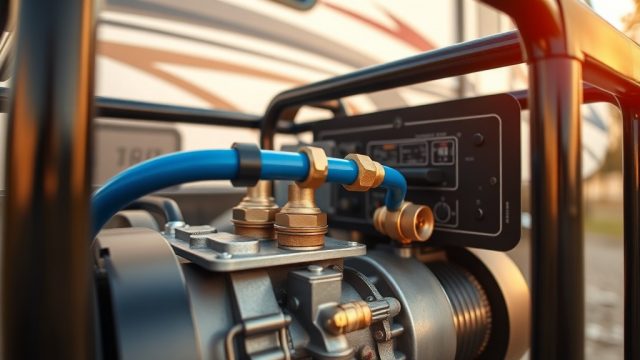
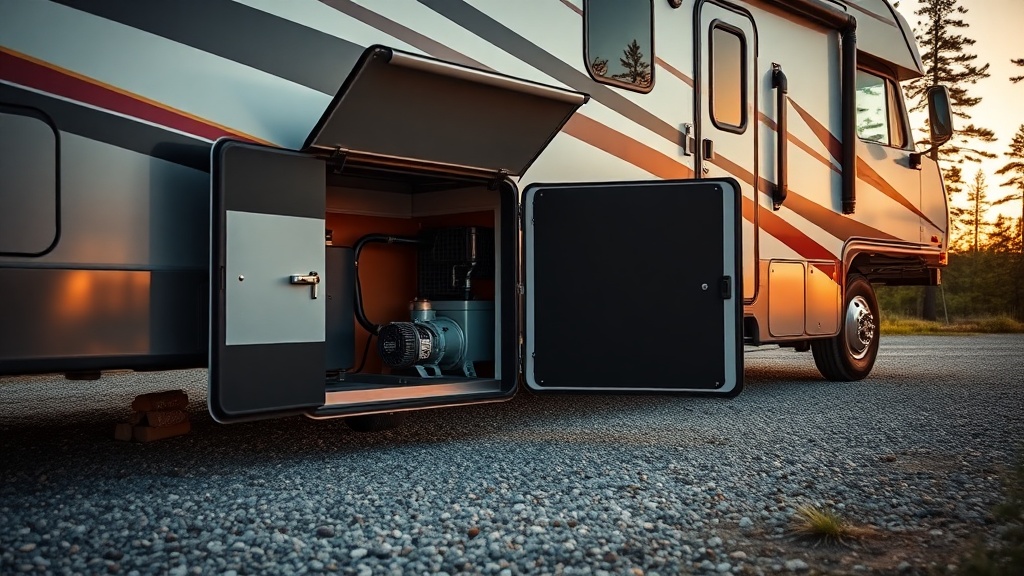
An RV generator is the heartbeat of off-grid travel, powering everything from air conditioning to coffee makers. Without proper care, this crucial component can fail at the worst possible moment—like a remote campsite after dark. A structured maintenance checklist ensures your generator stays reliable, safe, and ready to deliver power wherever the road takes you.
How Often Should You Run Your RV Generator Under Load?
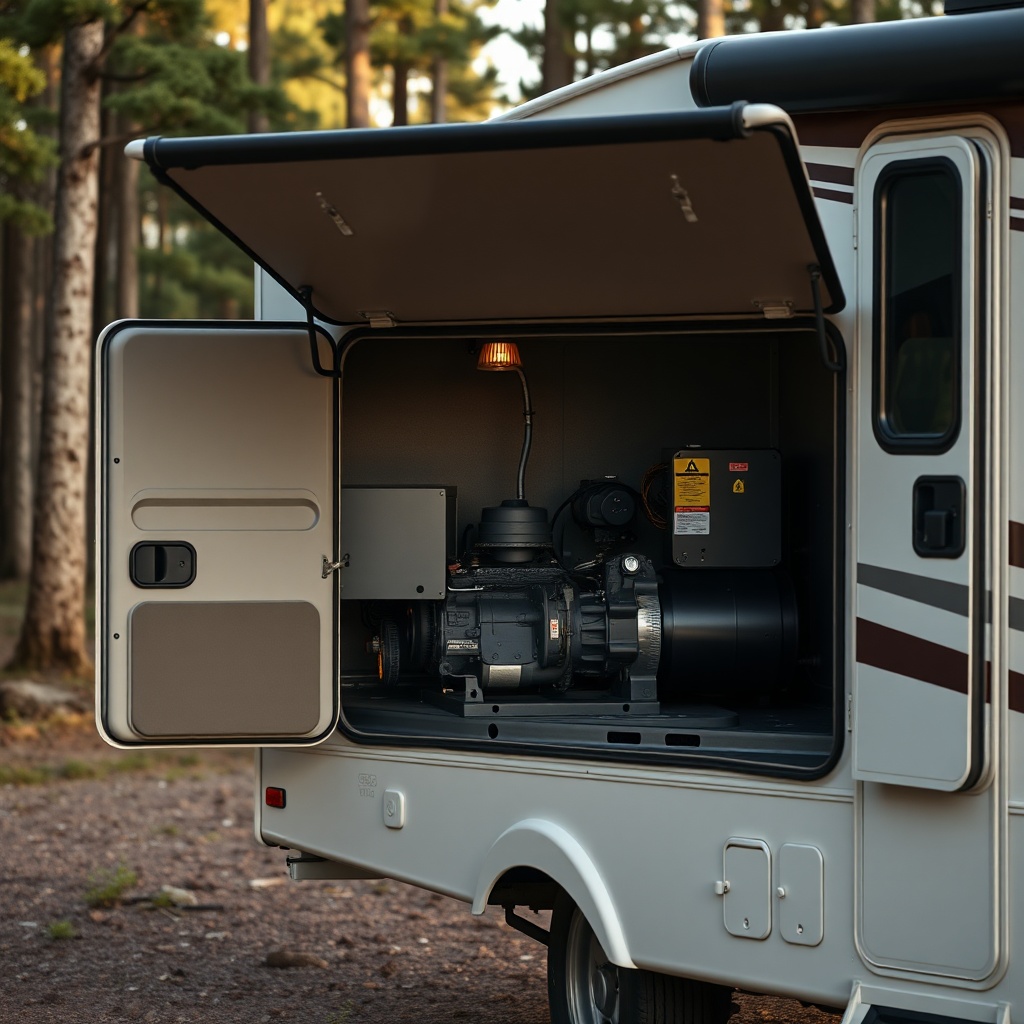
Generators hate sitting idle. Moisture accumulates in the windings, fuel degrades, and seals dry out. Running your generator under at least 50% load for two hours every month is essential. This burns off condensation, circulates oil, and keeps the carburetor and fuel system from gumming up. For diesel models, monthly exercise also prevents injector fouling. Neglecting this simple step is one of the most common causes of generator failure among RV owners.
What Is the Monthly Oil and Filter Change Schedule?
Oil changes are the single most impactful maintenance task for your RV generator. Most manufacturers—such as Onan, Cummins, or Generac—recommend changing engine oil and the filter every 100 to 150 hours of operation, or at least once per year. Use the specified viscosity, typically 10W-30 or 15W-40, and always replace the crush washer on the drain plug. A typical DIY oil change kit costs around £45 to £65. Skipping this step leads to sludge buildup, excessive wear, and eventually a seized engine.
Which Fuel System Checks Prevent Starting Problems?
Fuel quality and delivery are the top reasons for generator no-starts. Start by inspecting the fuel lines for cracks, leaks, or soft spots. Replace any fuel filter annually, or every 200 operating hours. If your generator uses a carburetor, consider adding a fuel stabilizer like STA-BIL for long-term storage. For diesel models, check the fuel water separator and drain any accumulated water. A blocked fuel line or contaminated fuel can cause hesitation, surging, or complete failure. Always store fuel in clean, airtight containers to avoid moisture contamination.
How to Perform a Spark Plug and Air Filter Inspection?
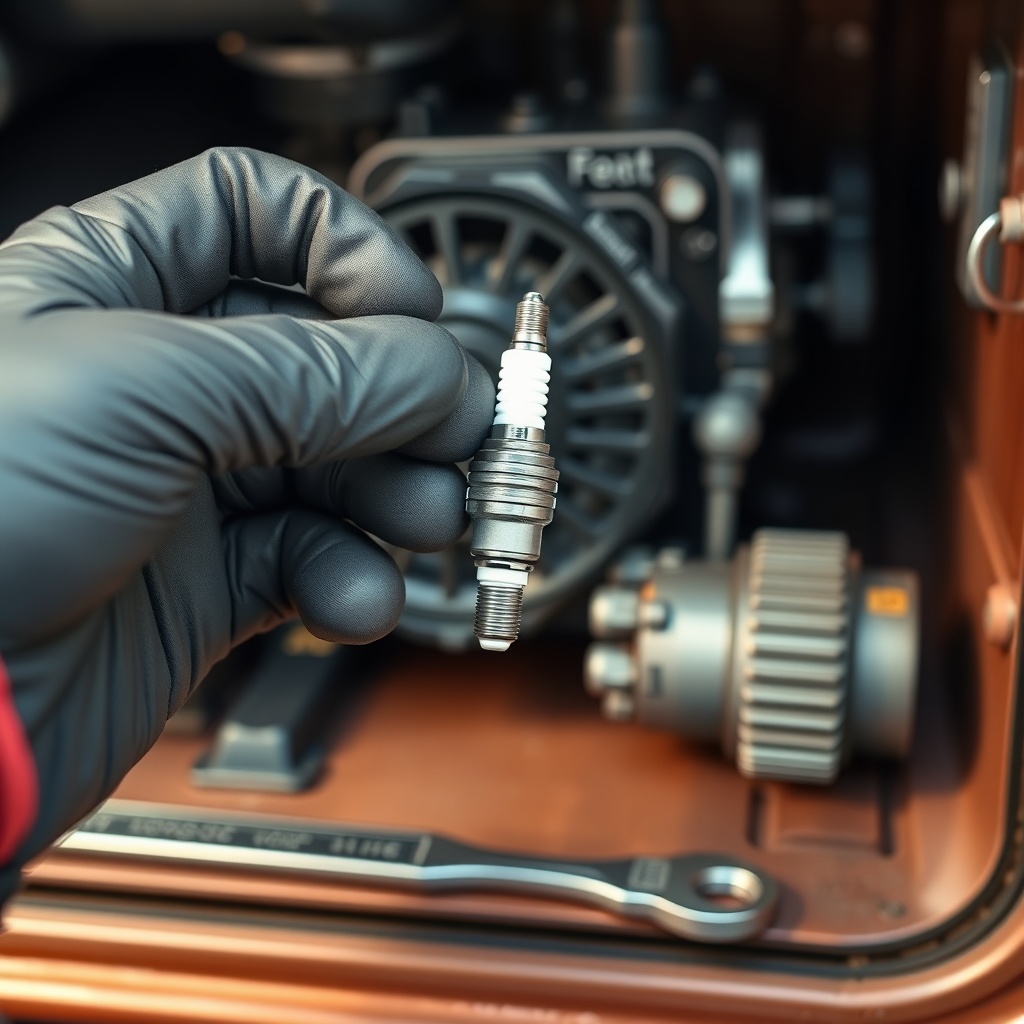
Spark plugs should be removed and inspected every 100 hours or annually. Look for worn electrodes, carbon deposits, or cracking. Gapping should be set to manufacturer specs, usually 0.76 mm for gasoline models. A single spark plug costs about £8 to £14. Air filters need attention too—clean foam elements with soapy water and replace paper filters when they appear dirty. A clogged air filter reduces efficiency, increases fuel consumption, and can cause rough running. Always check the air filter housing for debris or insect nests before reinstallation.
What Should You Check on the Exhaust and Cooling System?
Exhaust leaks are dangerous both for fire risk and carbon monoxide poisoning. Inspect the exhaust manifold, muffler, and tailpipe for rust holes, cracks, or loose connections. Use a handheld carbon monoxide detector inside the RV while the generator runs. Cooling systems vary: air-cooled generators need clean cooling fins and unrestricted airflow; liquid-cooled models require coolant level checks and a 50/50 antifreeze-water mix replacement every two years. Overheating is a leading cause of generator shutdown in summer, so keep debris away from the generator compartment vents.
| Maintenance Task | Frequency | Estimated Cost (GBP) | Severity If Skipped |
|---|---|---|---|
| Oil & Filter Change | Every 100 hours or annually | £45 – £65 | High – engine seizure |
| Fuel Filter Replacement | Every 200 hours or annually | £15 – £25 | Medium – starting issues |
| Spark Plug Inspection | Every 100 hours | £8 – £14 per plug | Medium – rough running |
| Air Filter Cleaning/Replacement | Every 50–100 hours | £10 – £20 | Medium – poor efficiency |
| Exhaust Inspection | Annually | £0 (DIY) | High – CO poisoning risk |
| Coolant Flush (liquid-cooled only) | Every 2 years | £30 – £50 | Medium – overheating |
| Battery Load Test | Annually | £0 (with multimeter) | Low – starting struggle |
What Owners Say About Generator Maintenance
Experienced RV owners often share that preventive maintenance is far cheaper than repairs. Many report that running the generator monthly under a moderate load, like a portable heater or microwave, keeps it reliable for years. One common observation is that ignoring the fuel system leads to costly carburetor replacements—often £250 or more. Another tip from long-term travellers: always check the generator compartment for rodent nests before winter storage. Many owners also recommend keeping a logbook of hours and services so you never forget a key task. While some find oil changes messy, the consensus is that a well-maintained generator is the difference between a comfortable trip and a campout in silence.
Frequently Asked Questions
How long does an RV generator last with proper maintenance?
With regular oil changes, filter replacements, and monthly exercise, a gasoline generator typically lasts between 2,500 and 5,000 operating hours. Diesel models can reach 6,000 to 10,000 hours or more. Neglect can cut that life by half or more.
Can I run my RV generator continuously for days?
Yes, most generators are designed for continuous operation. However, you should turn it off for a few hours every 24 hours to allow the engine to cool and to check oil and coolant levels. Prolonged use at maximum load can accelerate wear.
What is the best fuel for an RV generator?
Use fresh, ethanol-free gasoline when possible, as ethanol attracts moisture and can damage seals and the carburetor. For diesel generators, use premium diesel with a cetane rating of 50 or higher. Always add a fuel stabiliser if the generator sits unused for over 30 days.
Why does my generator shut off after a few minutes?
This is often caused by a faulty oil pressure switch, a dirty fuel filter, or a blocked air filter. It can also be a sign of low oil level or overheating. Start by checking the oil dipstick and the fuel filter. If the problem persists, consult a professional technician.
Is it safe to refuel the RV while the generator is running?
No. Never refuel any vehicle or generator while the engine is running. Static electricity or spilled fuel can ignite. Always turn off the generator and allow the engine to cool for at least five minutes before refuelling. This is a critical safety rule.
Can I install an RV generator myself?
Installation involves electrical wiring, fuel line connections, ventilation, and structural modifications. Unless you have experience with 12V and 230V systems, plumbing, and metal fabrication, it is best left to professionals. A poor installation can lead to fire, carbon monoxide leaks, or electrical hazards.