Introduction
The Norcold N8X Series has become a popular choice among RV owners for its efficient absorption-based cooling, but a persistent ammonia odor can signal serious trouble. This odour, often described as a pungent, sweet, or sharp scent, is not just unpleasant—it can indicate a refrigerant leak that compromises safety and appliance performance. In this article, we provide a hands-on diagnosis guide, safety protocols, and repair insights to help you address ammonia smells before they escalate.
Understanding the root cause is critical, as ammonia leaks can lead to costly repairs or even fire hazards. We’ll cover common causes, severity levels, and practical steps, while linking to related guides for deeper troubleshooting.
What Causes Ammonia Odor in the Norcold N8X Series?
Ammonia odour in the Norcold N8X Series typically stems from a failure in the sealed cooling unit. The unit contains a mixture of ammonia, water, and hydrogen gas used in the absorption cycle. When cracks form in the tubing, often due to corrosion, thermal stress, or manufacturing defects, ammonia escapes into the RV interior. This can happen gradually, producing a faint odour, or suddenly, following a major leak.
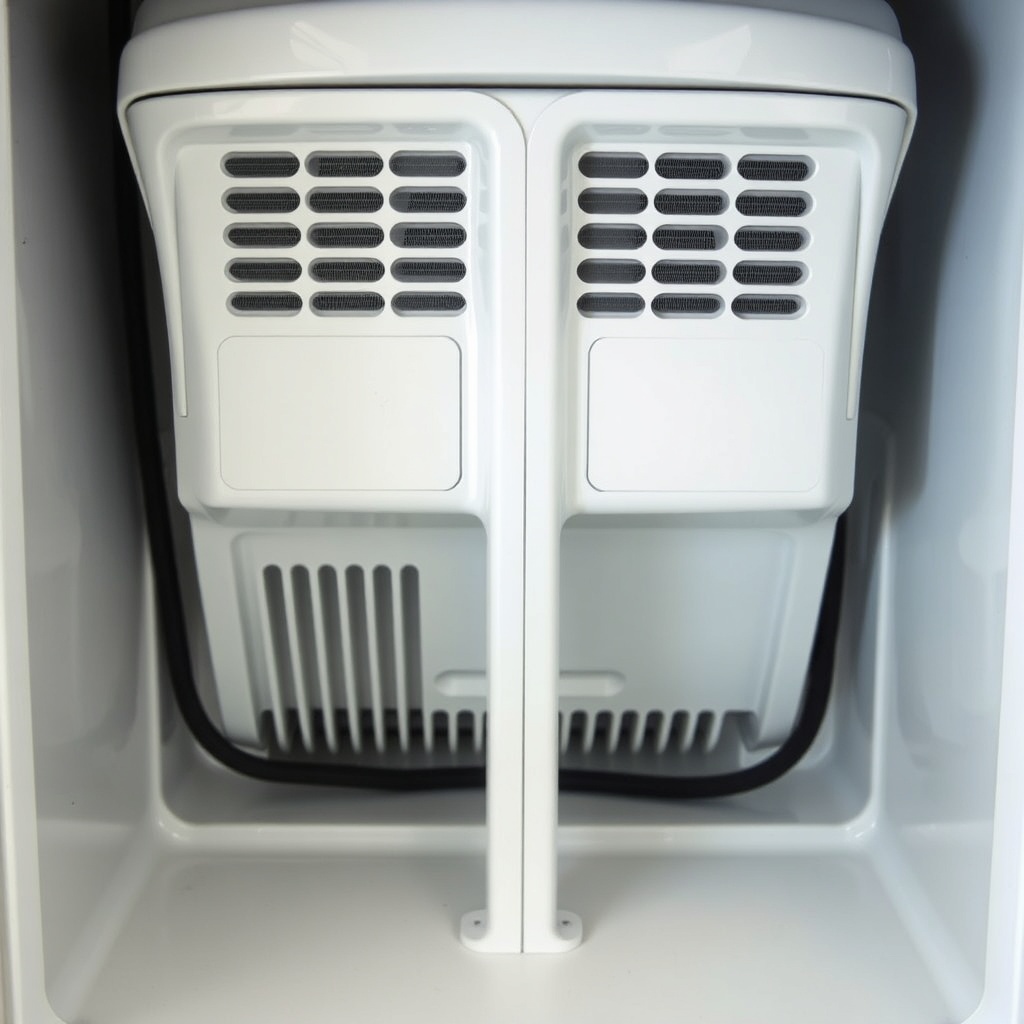
Another less common cause is a blocked flue or burner malfunction that forces ammonia to vent abnormally. However, most cases involve physical damage to the cooling coils. If you smell ammonia, first check for visible yellow or white residue around the back of the fridge—this is a telltale sign of a leak. Rodent damage, especially in units stored in garages, is also a known culprit in the UK and across Europe.
How to Diagnose an Ammonia Leak Safely
Diagnosing an ammonia leak requires caution. Start by turning off the refrigerator and disconnecting the 240V AC or 12V DC power supply. Do not operate any electrical switches or lights near the fridge, as ammonia is flammable in high concentrations. Wear safety goggles and nitrile gloves—ammonia can irritate eyes and skin.
Inspect the rear access panel for visible damage: look for white or yellow crystalline deposits, discoloured insulation, or oily spots near joints. A simple ammonia-sensing tool, such as a handheld electrochemical detector (available from RV supply shops for around £40–£80), can confirm the presence of gas. Never rely solely on your sense of smell—low-level leaks may not be detectable, and high levels desensitise the nose quickly. If you suspect a leak, ventilate the area immediately and call a certified RV technician.
For a step-by-step on error codes that often precede leaks, see our Norcold N8X Series Error Codes: Troubleshooting Guide.
Ammonia Odor Severity and What to Do Next
Not all ammonia smells indicate a catastrophic failure. Use the table below to assess the severity of your situation and determine the appropriate response.
| Odour Intensity | Visual Clues | Severity Level | Recommended Action |
|---|---|---|---|
| Faint, intermittent | No residue or small dry spots | Low | Monitor odour; check seals and vents; schedule professional inspection |
| Moderate, persistent | Yellow/white residue on coils or insulation | Medium | Shut off fridge immediately; ventilate; arrange tech visit |
| Strong, sharp, constant | Wet residue, oily sheen, or bubbling | High | Evacuate area; open windows; call emergency service |
| Odour with hissing sound | Visible crack or hole in tubing | Critical | Disconnect power; leave RV; contact fire brigade |
Remember, even a faint smell can worsen quickly. The cooling unit is a sealed system—any leak means it will lose refrigerant over time, reducing cooling efficiency. In many cases, the entire cooling unit must be replaced, which can cost £800–£1,500 depending on labour rates in your area.
Safety Tips for Handling Ammonia Leaks
Safety is paramount when dealing with ammonia in an RV. Ammonia is toxic if inhaled in high concentrations and can cause respiratory irritation, eye damage, or burns. In confined spaces like a motorhome, even small leaks can build up quickly. Follow these tips:
- Ventilate immediately: Open all windows and roof vents to dissipate gas. Do not run fans that could spark.
- Shut off all ignition sources: Turn off gas hobs, heaters, and pilot lights. Disconnect the battery if safe to do so.
- Evacuate the RV: If the odour is strong, leave the vehicle and call for professional help.
- Do not try to patch leaks: Epoxy or tape repairs on the cooling unit are temporary at best and dangerous at worst—ammonia pressure can cause sudden bursts.
- Check your insurance: Some UK RV policies cover cooling unit failure caused by corrosion or rodent damage.
If you need to remove the fridge for service, our Norcold N8X Series Door Seal Replacement: Step-by-Step Guide covers disassembly steps that are also relevant for unit removal.
What Owners Say
Norcold N8X owners across online forums and review sites report that ammonia odour is one of the most alarming issues they face. “I woke up to a stink like old cat pee,” writes a British caravan owner on a popular forum. “I thought it was a dead animal, but the fridge was leaking. Cost me £1,200 to replace the cooling unit.” Others note that the odour often starts subtly, only to worsen after a few days of running the fridge. A common piece of advice from experienced owners is to install an ammonia gas detector near the fridge—available for about £25–£50 from RV accessory shops—for early warning.
Some users have successfully dealt with minor odours by tightening loose drain tubes or cleaning the flue area, but most emphasise that professional diagnosis is essential. Many owners in the UK recommend specific mobile service providers who specialise in absorption fridge repairs for around £150–£200 per visit.
Frequently Asked Questions
1. How much does it cost to repair an ammonia leak in a Norcold N8X?
Cooling unit replacement typically costs £800–£1,500 in the UK, including parts and labour. Minor repairs like seal replacements are cheaper at £100–£300 but do not fix the root cause if the unit is cracked.
2. Can I use a household ammonia detector for my RV fridge?
Yes, but ensure it is rated for ammonia gas. Many household detectors are for carbon monoxide only. Look for a specific ammonia/alarm combination unit, priced around £30–£60 at RV dealers.
3. Why does my Norcold N8X smell like ammonia only when running?
Leaks are often pressure-dependent. When the fridge is operating, the cooling cycle raises internal pressure, forcing ammonia out through micro-cracks. Once turned off, pressure drops and the smell may reduce temporarily.
4. Is a Norcold N8X with an ammonia leak safe to drive?
No. Driving could agitate the leak, release more gas, and create a flammable atmosphere in the living area. Arrange for roadside assistance to tow the RV to a repair shop.
5. How do I tell if the ammonia smell is from the fridge or something else?
Check the fridge’s rear access panel. If you see yellow-white residue or feel a cool draft from the fridge area, it’s likely the source. Other sources include propane appliances, but their smell is different (rotten eggs).
6. Will a thermistor calibration fix an ammonia odour?
No. Thermistor issues cause temperature inaccuracies but not ammonia leaks. For temperature problems, refer to our Norcold N8X Series Thermistor Calibration: How to Fix Temperature Issues guide.